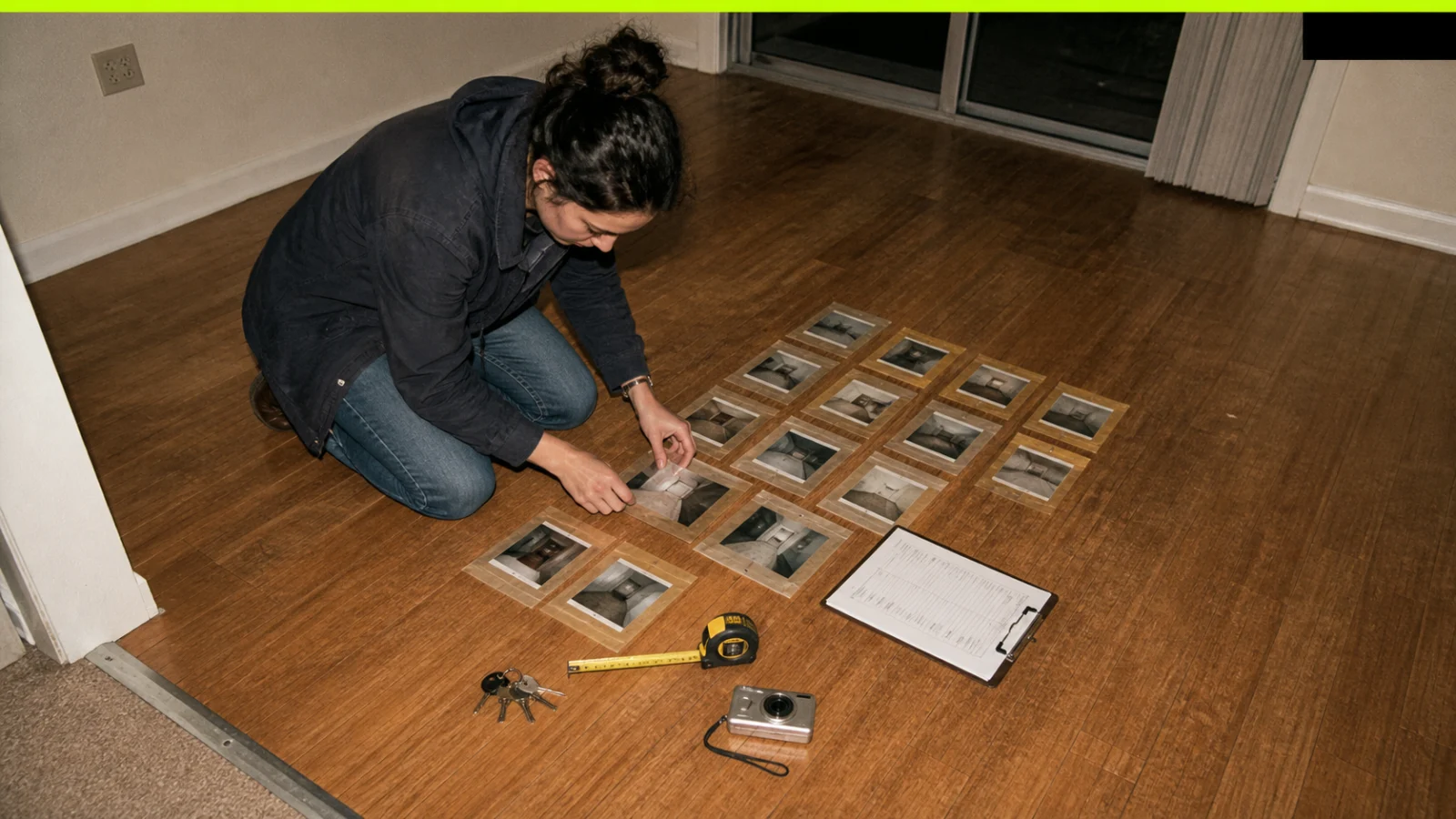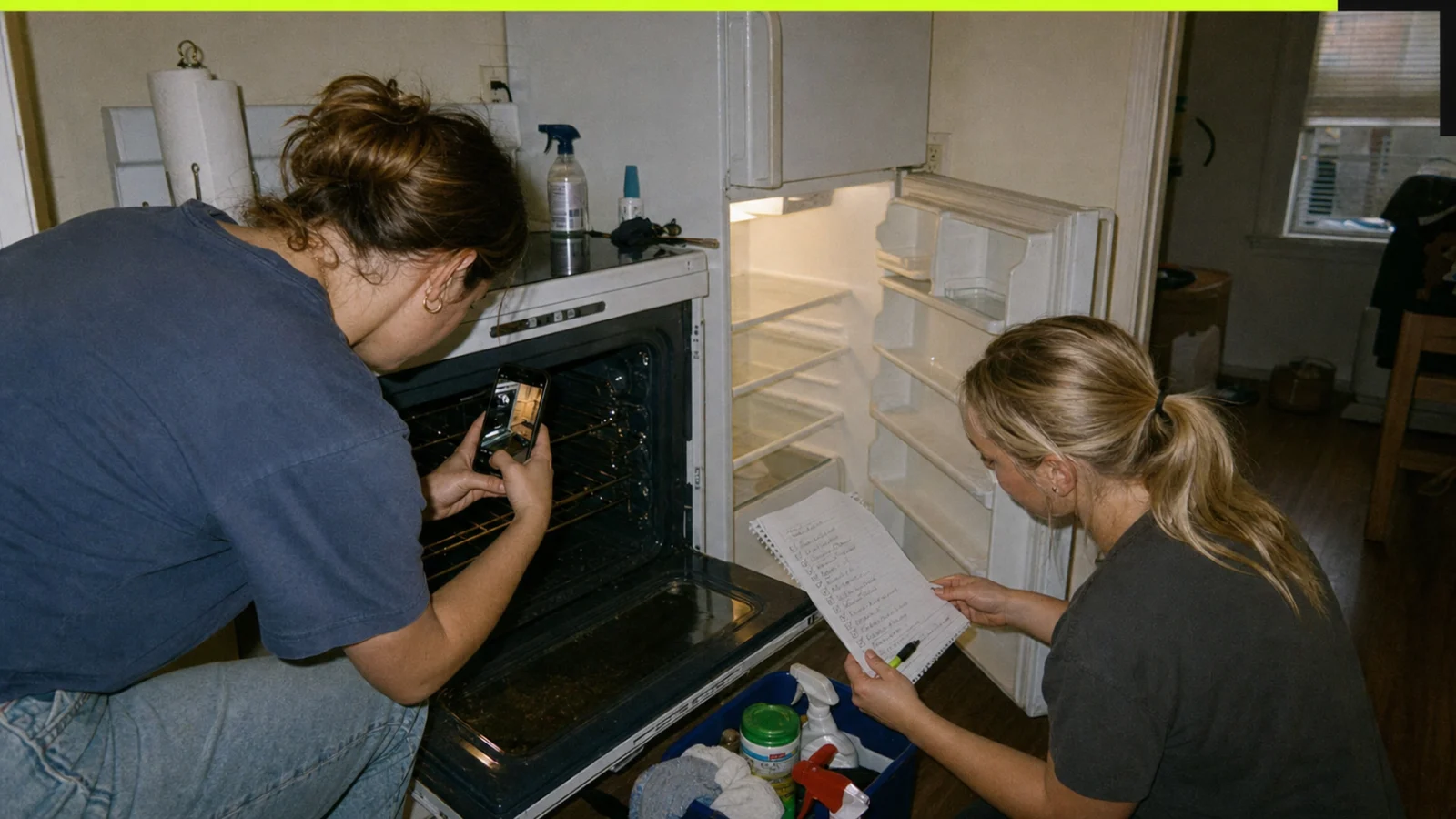
After learning that a tenancy will end, a California landlord generally must notify the tenant in writing of the option to request an initial inspection and the right to be present. If requested, the inspection occurs no earlier than two weeks before the tenancy ends and gives the tenant a chance to address identified cleaning or repair items before move-out.
The inspection is an opportunity, not the final accounting
The initial inspection happens before the final move-out inspection. Its purpose is to identify proposed repair or cleaning deductions while the tenant still has time to address them consistently with the lease and the parties' rights.
The landlord should provide an itemized statement of the identified repairs or cleaning, along with the relevant statutory text. If the tenant is present, the statement is given to the tenant. Otherwise it is left inside the premises.
Timing and notice
The inspection is scheduled at a reasonable time, no earlier than two weeks before the end of the tenancy. The parties attempt to choose a mutually acceptable date and time. When the inspection proceeds, the landlord generally gives at least 48 hours' written notice unless both parties sign a written waiver.
Save the landlord's notice of your right, your request, the scheduling messages, the 48-hour notice or waiver, and the statement produced after the inspection.
Use the statement as a repair list
- Photograph every identified area before doing work.
- Decide what you can reasonably clean or remedy before move-out.
- Keep receipts and photograph the corrected condition.
- Send a short written update identifying what you completed.
- Take a full move-out photo and video set after belongings are removed.
What can still appear later
The initial statement does not necessarily freeze every possible deduction. The law preserves claims for items not cured, conditions that arise after the inspection, or issues the landlord could not identify because tenant possessions blocked the view.
When the unit was sufficiently visible during the inspection, the statute can limit later repair or cleaning deductions that were not identified. Preserve photographs showing whether areas were accessible and visible.
If the landlord never offered the inspection
Keep the termination notice and communication history. In your later review, record that you did not receive written notice of the option to request an initial inspection. Do not assume that fact alone decides every deduction. Connect it to the disputed items and the opportunity you did or did not have to address them.
Clear answers before your next step.
Can I attend the California move-out inspection?+
Yes. The landlord's written notice should explain the option to request the inspection and the tenant's right to be present.
When can the inspection happen?+
It generally occurs at a reasonable time no earlier than two weeks before the tenancy terminates or the lease ends.
Can the landlord deduct something not on the inspection list?+
Some later deductions can still be permitted, such as uncured items, post-inspection conditions, or issues hidden by possessions. The facts and visibility at inspection matter.
Official sources used for this guide
This article provides general self-help information for California renters. It is not legal advice, does not create an attorney-client relationship, and does not predict the outcome of a dispute. Rules and local protections can change.