California Civil Code section 1950.5 allows a court to award up to twice the security deposit as statutory damages, in addition to actual damages, for a bad-faith claim or retention. Bad faith is a factual conclusion for the court, and the additional amount is not automatic.
Bad faith is more than a frustrating outcome
A deduction can be wrong, poorly documented, or disputed without automatically proving bad faith. The statute reserves additional damages for bad-faith conduct, and a judge evaluates the surrounding facts.
That distinction protects your credibility. Do not label every disagreement malicious. Build the chronology that would allow a neutral reader to see whether the conduct looks like mistake, delay, unsupported insistence, or something more serious.
What the statute says about damages
The law says a bad-faith claim or retention may subject the landlord to statutory damages of up to twice the amount of the security, in addition to actual damages. The court may award those damages when the facts warrant it, even if the injured party did not specifically request them.
The word may matters. A website, demand letter, or app should not turn that remedy into a promised multiplier. The court decides whether bad faith occurred and what award is supported.
Build the pattern without overstating it
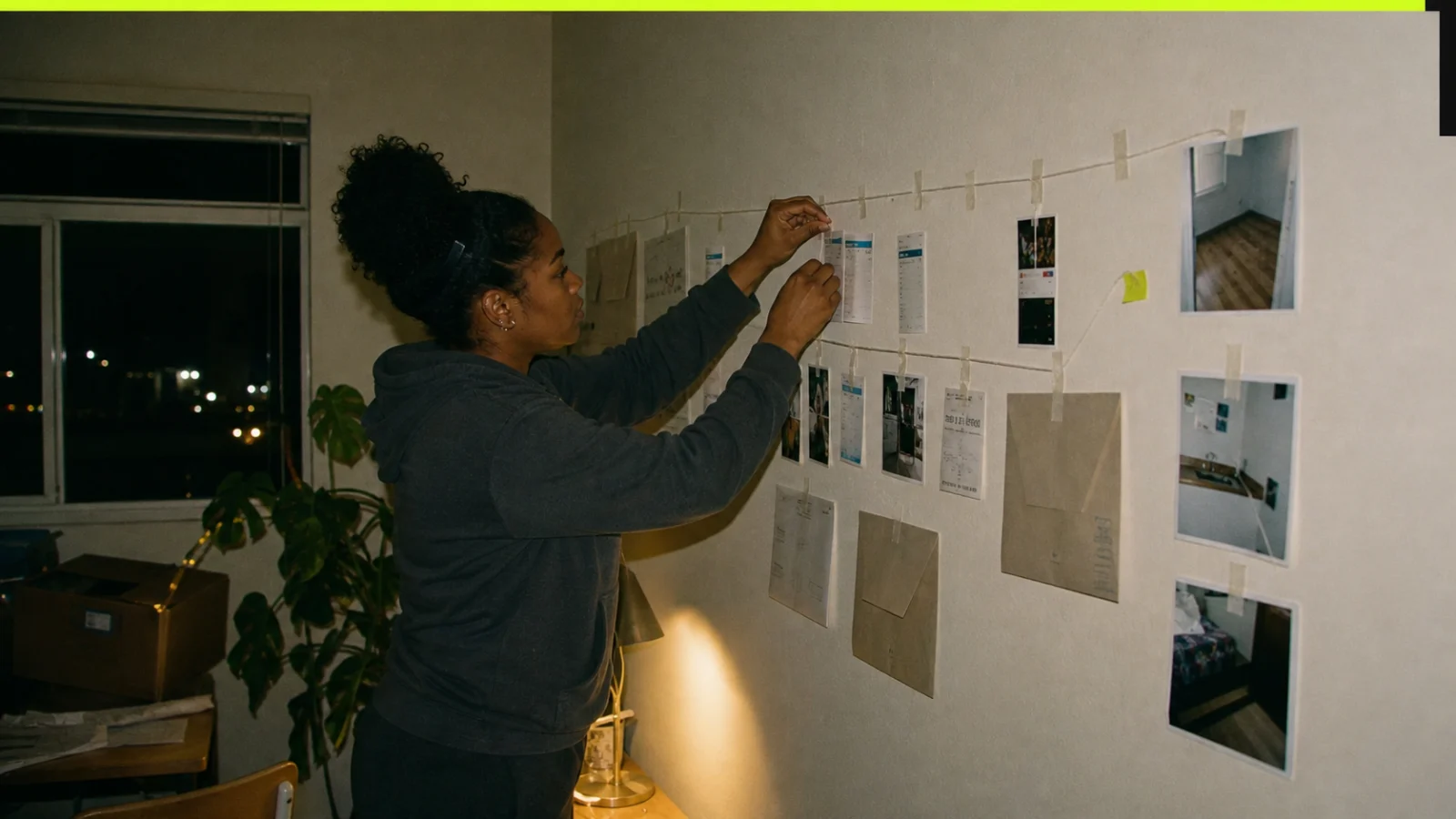
A timeline can be more persuasive than an adjective. For example, show that a receipt was requested on one date, the landlord said it did not exist on another, and later relied on a different document. Let the sequence carry the point.
- Move-out date and the 21-day accounting deadline
- Statements, refunds, estimates, and later receipts
- Photographs and invoices supplied or missing
- Your written requests and delivery proof
- Corrections, contradictions, or unexplained changes in the accounting
- Responses, refusals, and periods of silence
The landlord carries a burden on reasonableness
In an action under section 1950.5, the landlord or successor has the burden of proof regarding the reasonableness of amounts claimed or the authority to demand additional security. That does not eliminate the tenant's need for an organized presentation.
Your case file should make it easy to identify each amount, the landlord's support, your comparison evidence, and the exact issue for decision.
When advice becomes especially useful
Seek legal advice when you plan to claim bad-faith damages, the deposit is large, the facts involve retaliation or discrimination, multiple defendants may be responsible, or the dispute includes issues beyond the deposit. A self-help packet can preserve the record, but it cannot assess litigation strategy.
Clear answers before your next step.
Does missing the 21-day deadline automatically prove bad faith?+
No. A missed deadline can be important evidence, but bad faith is a factual determination based on the circumstances and is not automatic.
Is the maximum award three times the deposit?+
The statute permits actual damages plus statutory damages of up to twice the deposit for bad faith. The resulting total depends on the actual damages and the court's award.
Who decides whether the landlord acted in bad faith?+
A court decides if the dispute proceeds to judgment. A demand letter can describe facts and cite the statute, but it should not present bad faith as already adjudicated.
Official sources used for this guide
This article provides general self-help information for California renters. It is not legal advice, does not create an attorney-client relationship, and does not predict the outcome of a dispute. Rules and local protections can change.