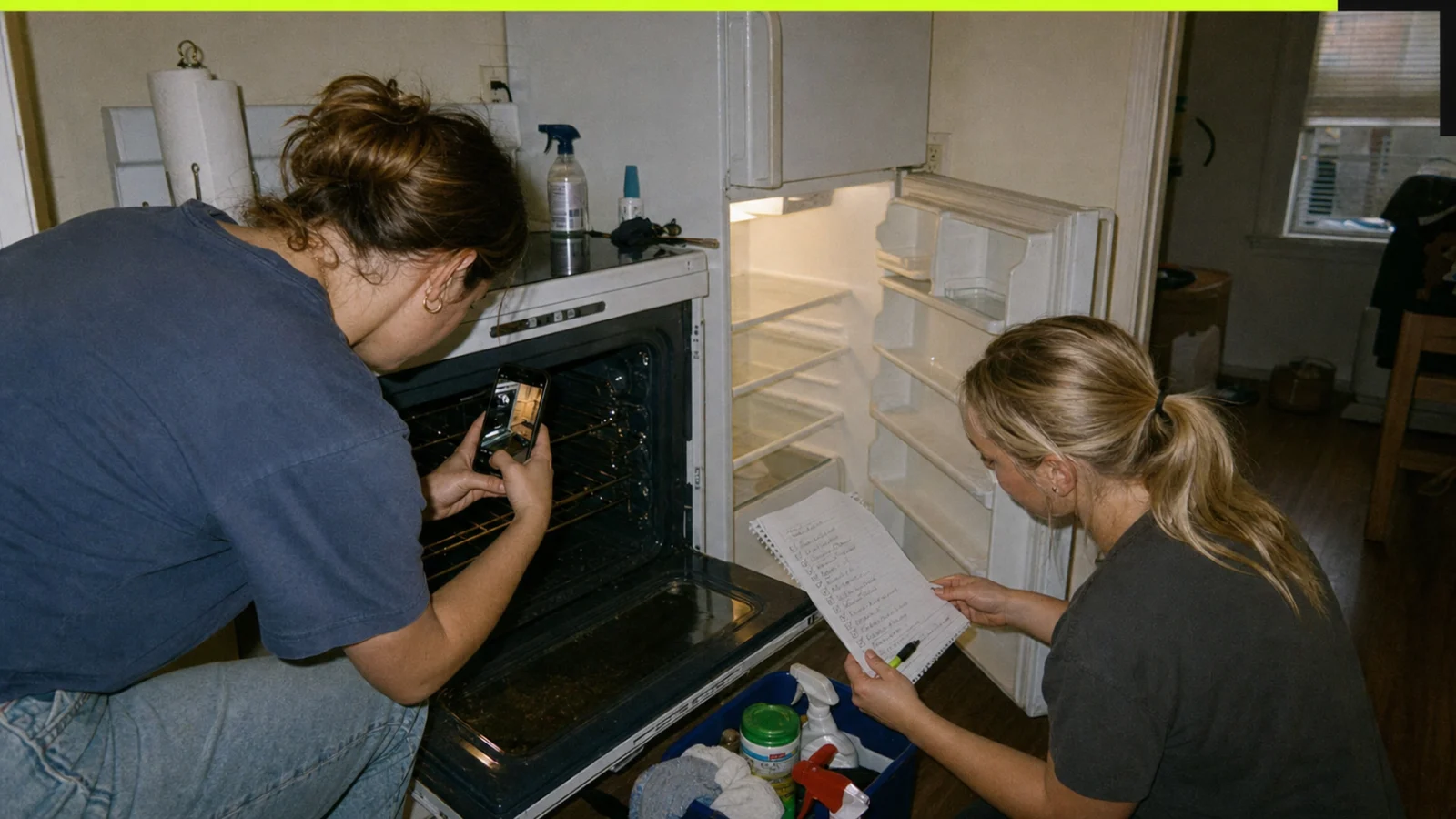
California landlords may generally use a residential security deposit only for unpaid rent, reasonably necessary cleaning, repair of tenant-caused damage beyond ordinary wear and tear, and certain restoration of landlord property when the rental agreement allows it. Charges cannot cover preexisting conditions, ordinary wear, or unreasonable work.
The four main deduction categories
Civil Code section 1950.5 limits the purposes for which a residential security deposit can be used. The important phrase is reasonably necessary. A category may be allowed in the abstract while a particular amount, scope of work, or factual basis is still disputed.
- Unpaid rent
- Cleaning needed to return the unit to its starting level of cleanliness
- Repair of damage caused by the tenant or a guest, excluding ordinary wear and tear
- Restoration, replacement, or return of landlord property when authorized by the rental agreement
What cannot be shifted to the tenant
A landlord should not use the deposit for damage or defective conditions that existed before the tenancy. The law also excludes ordinary wear and tear and its cumulative effects across tenancies.
The same comparison applies to labor and materials. A charge should be limited to the reasonable amount necessary to restore the premises to its condition at the start of the tenancy, excluding ordinary wear. That makes move-in evidence unusually important.
Review each deduction as its own mini-case
A single total can feel overwhelming. Break it into rows. For each charge, record the amount, explanation, room or item, move-in condition, move-out condition, supporting photograph, invoice, and your specific question.
This method prevents a weak disagreement about one small charge from obscuring a stronger documentation gap elsewhere. It also makes your written response easier for a property manager, mediator, lawyer, or judge to follow.
- Copy the exact deduction description and amount.
- Match it to the landlord's invoice, receipt, labor detail, and photographs.
- Add your move-in and move-out comparison evidence.
- Classify the issue as missing support, preexisting condition, ordinary wear, unnecessary work, or disputed amount.
- Write one precise request for that deduction.
Documentation is part of the review
For covered repair and cleaning deductions, the accounting can require bills, invoices, receipts, work descriptions, time and hourly rates, materials records, and photographs. A good-faith estimate may temporarily stand in when work or documents are not ready, but the completed documentation generally follows within 14 calendar days after completion or receipt.
If repair and cleaning deductions total $125 or less, some support may not be sent automatically. A written request made within 14 calendar days after receiving the statement can matter, so log the receipt date before drafting your response.
A firm response can still be careful
You do not need to accept an unexplained number as the last word. You also do not need to accuse the landlord of fraud to dispute it effectively. State what the record shows, identify what is missing, and request the specific amount or document at issue.
RentClaw helps put those dates, deductions, and records into one self-help case file. It does not provide legal advice or determine whether a charge is valid.
Clear answers before your next step.
Can a landlord deduct for their own labor?+
The law allows landlord or employee work to be documented, but the statement should reasonably describe the work, time spent, and reasonable hourly rate.
Can a landlord charge for damage that existed before move-in?+
California law says the landlord should not claim against the security for preexisting damage or defective conditions. Move-in photos, checklists, and messages can support the comparison.
Does an invoice make every deduction valid?+
No. An invoice supports that a charge was incurred, but reasonableness, necessity, cause, starting condition, and ordinary wear can still be relevant.
Official sources used for this guide
- California Civil Code § 1950.5
- California Courts security deposit guide
- California Attorney General security deposit alert
This article provides general self-help information for California renters. It is not legal advice, does not create an attorney-client relationship, and does not predict the outcome of a dispute. Rules and local protections can change.