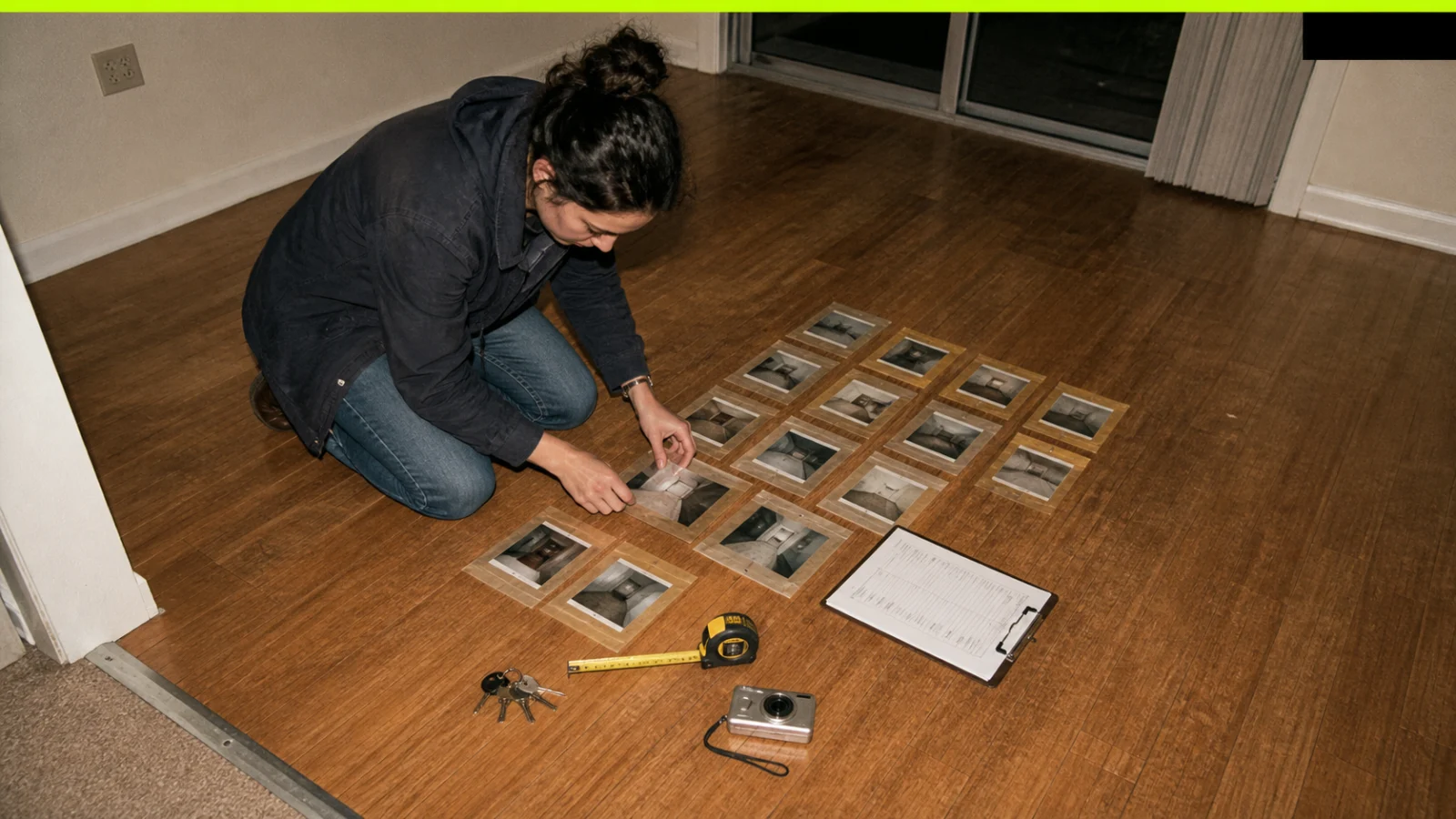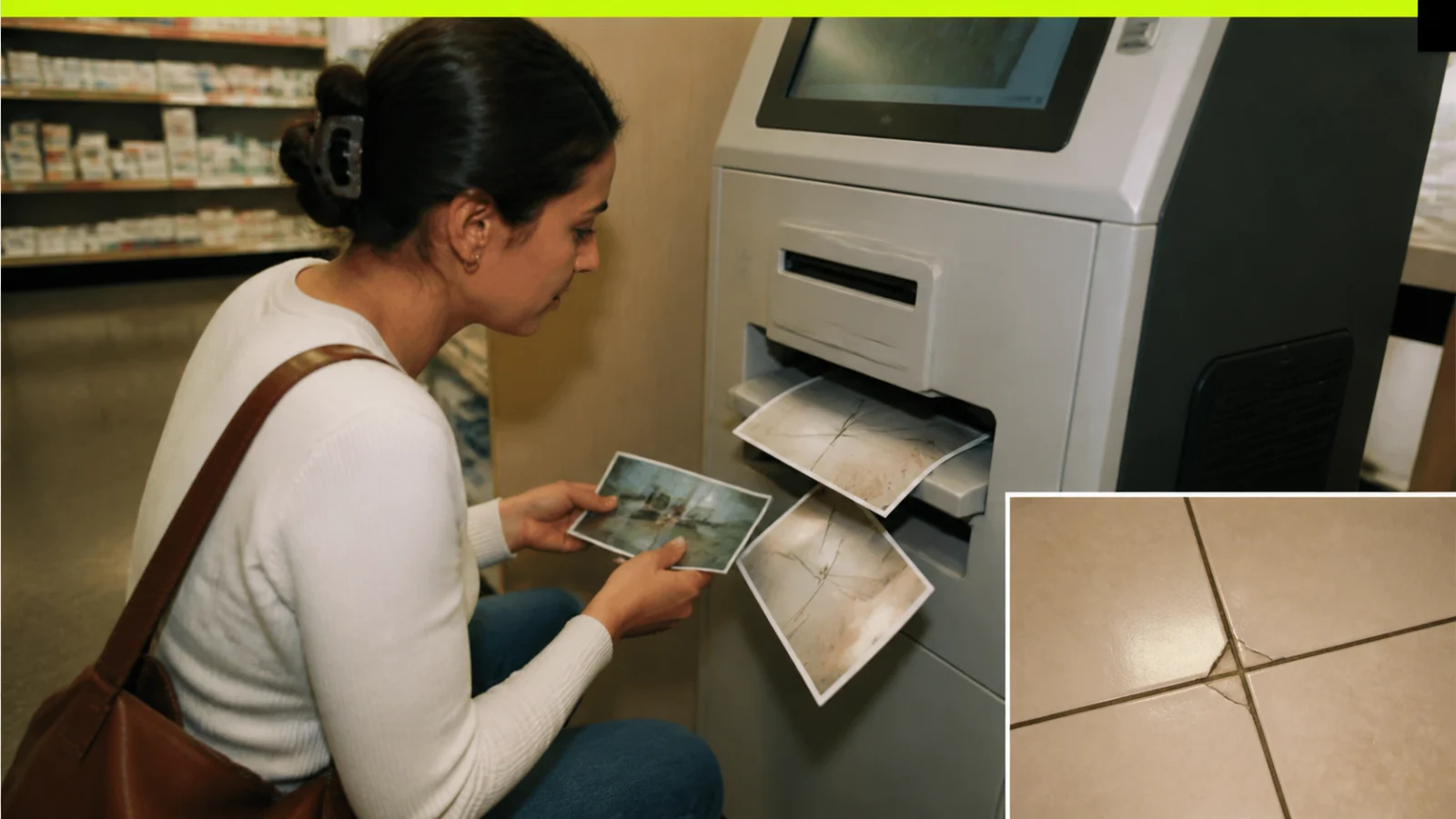
California Civil Code section 1950.5 says a landlord may not claim against a tenant or deposit for damage or defective conditions that preexisted the tenancy. The practical issue is proving the move-in baseline and distinguishing the old condition from any later change. Use dated images, inspection records, repair requests, messages, and the landlord's required inception photographs when applicable.
The move-in baseline controls the comparison
Deposit deductions for damage are about restoration to the condition at the inception of the tenancy, excluding ordinary wear—not delivery of a newer or better unit. A preexisting crack, stain, chip, broken fixture, or defective condition should not be reassigned to the departing tenant merely because it still exists at move-out.
The dispute can become narrower if the condition worsened during the tenancy. Separate the original defect from any measurable later damage rather than treating the whole item as all old or all new.
Build a baseline proof stack
- Locate the signed move-in checklist and any objections sent after receiving it.
- Export original move-in photos and videos with metadata rather than relying only on compressed screenshots.
- Collect maintenance requests, inspection emails, contractor visits, and messages acknowledging the defect.
- Request the landlord's move-in photographs when the tenancy is covered by the inception-photo requirement.
- Create matching before-and-after views with room labels and arrows that do not obscure the condition.
Test the landlord's evidence for timing
- Does the photograph show the correct unit and location?
- Was it taken before your tenancy, during occupancy, after possession return, or after work began?
- Does a close-up omit context that appears in a wider image?
- Does the invoice describe repair of the same defect shown in the photograph?
- Did prior maintenance attempt to repair the condition, suggesting it was known earlier?
Audit causation and amount separately
Even if the landlord proves a changed condition, the claimed amount must still be reasonably necessary and connected to tenant-caused damage beyond ordinary wear. Compare the chosen repair with the item's age, prior condition, maintenance history, and a narrower restoration option.
Do not assume a full replacement invoice equals the tenant's responsibility. Ask which portion addressed the new damage and which portion corrected the old defect, deferred work, code issue, or owner-selected upgrade.
Present the dispute as a matched comparison
For each charge, cite Exhibit A for the dated move-in view, Exhibit B for the repair request, Exhibit C for the move-out view, and Exhibit D for the landlord's invoice. State the amount disputed and the factual reason in one or two sentences.
If your move-in documentation is thin, credible testimony, payment records, prior consistent communications, or other evidence may still matter. A court weighs credibility; no single photo format guarantees an outcome.
Clear answers before your next step.
What if I did not complete a move-in checklist?+
Use other contemporaneous evidence: original photos, videos, texts, repair requests, witnesses, inspection records, and any landlord inception photographs that apply.
Can I be charged if an old defect became worse?+
Potentially for a supported, reasonable amount attributable to tenant-caused worsening, but not automatically for the entire preexisting condition or an upgrade.
Who has the burden on the reasonableness of deductions?+
Section 1950.5 places the burden on the landlord regarding the reasonableness of amounts claimed in an action under that section, but tenants should still organize their evidence.
Official sources used for this guide
- California Civil Code § 1950.5
- California Courts security deposit guide
- California Attorney General security deposit guide
- California DRE 2026 tenant guide
This article provides general self-help information for California renters. It is not legal advice, does not create an attorney-client relationship, and does not predict the outcome of a dispute. Rules and local protections can change.