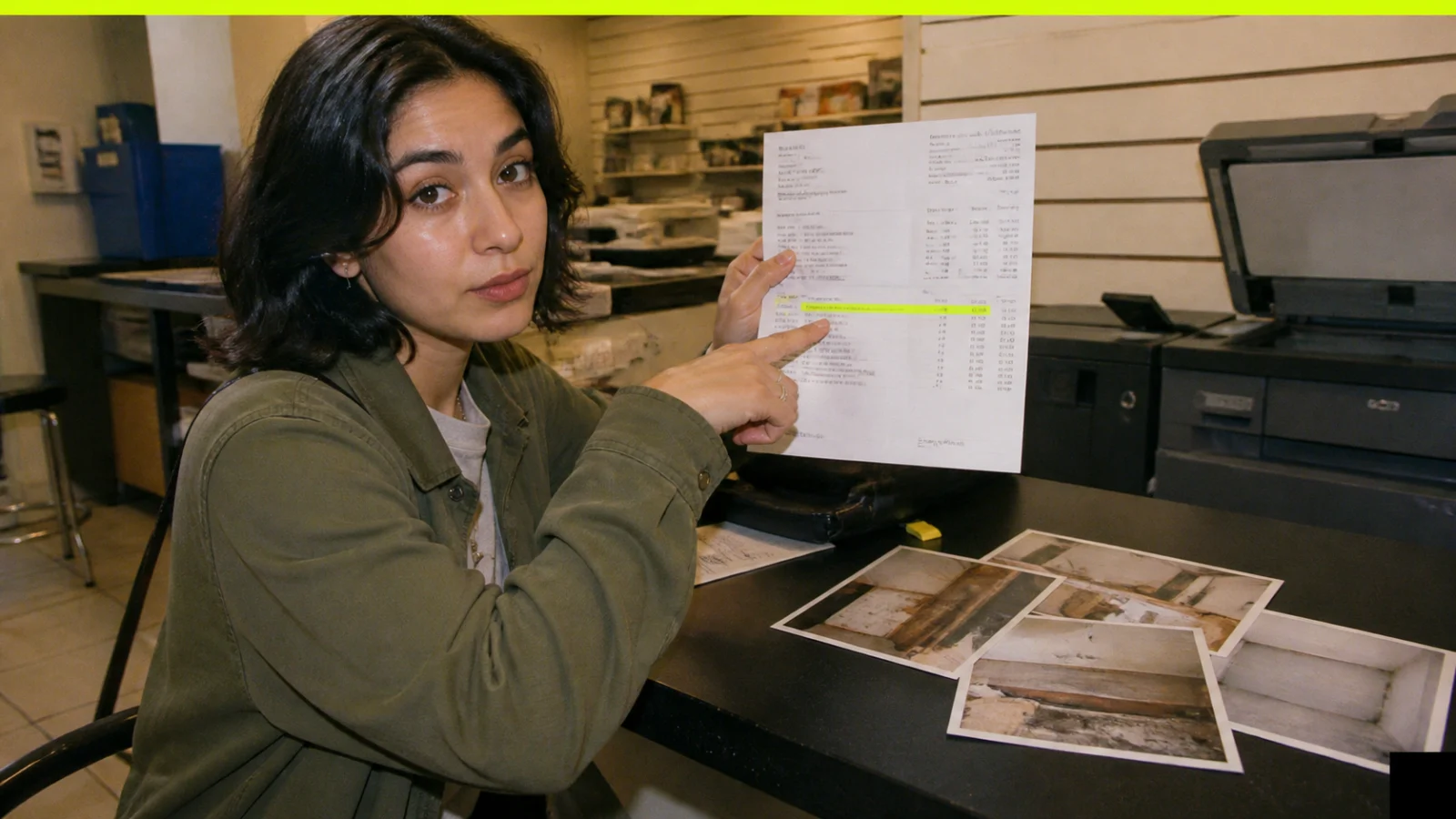
Maybe not. California's itemized statement must indicate the basis and amount of deductions and the disposition of the security. A single “Cleaning and repairs: $900” line may not reveal which conditions, tasks, or amounts make up the total. Review the entire packet before concluding it is deficient: supporting labor details, outside invoices, materials records, photographs, and a written cost explanation may supply meaningful breakdowns. If they do not, request a task-by-task allocation and identify the exact information missing.
Itemized should make the deposit traceable
The accounting should let the reader start with the security received, follow each deduction's basis and amount, and reach the balance returned. A combined label can hide whether $900 means $200 cleaning and $700 repairs, several rooms, or one project.
No particular spreadsheet or prose format is required by the deposit statute. Evaluate content across the statement and documents supplied at the same time rather than judging only the heading of one line.
Expand the lump sum into audit rows
- Separate cleaning from repair work.
- Create one row for each room, condition, and task.
- Assign the stated labor, materials, outside invoice, tax, and fee amounts.
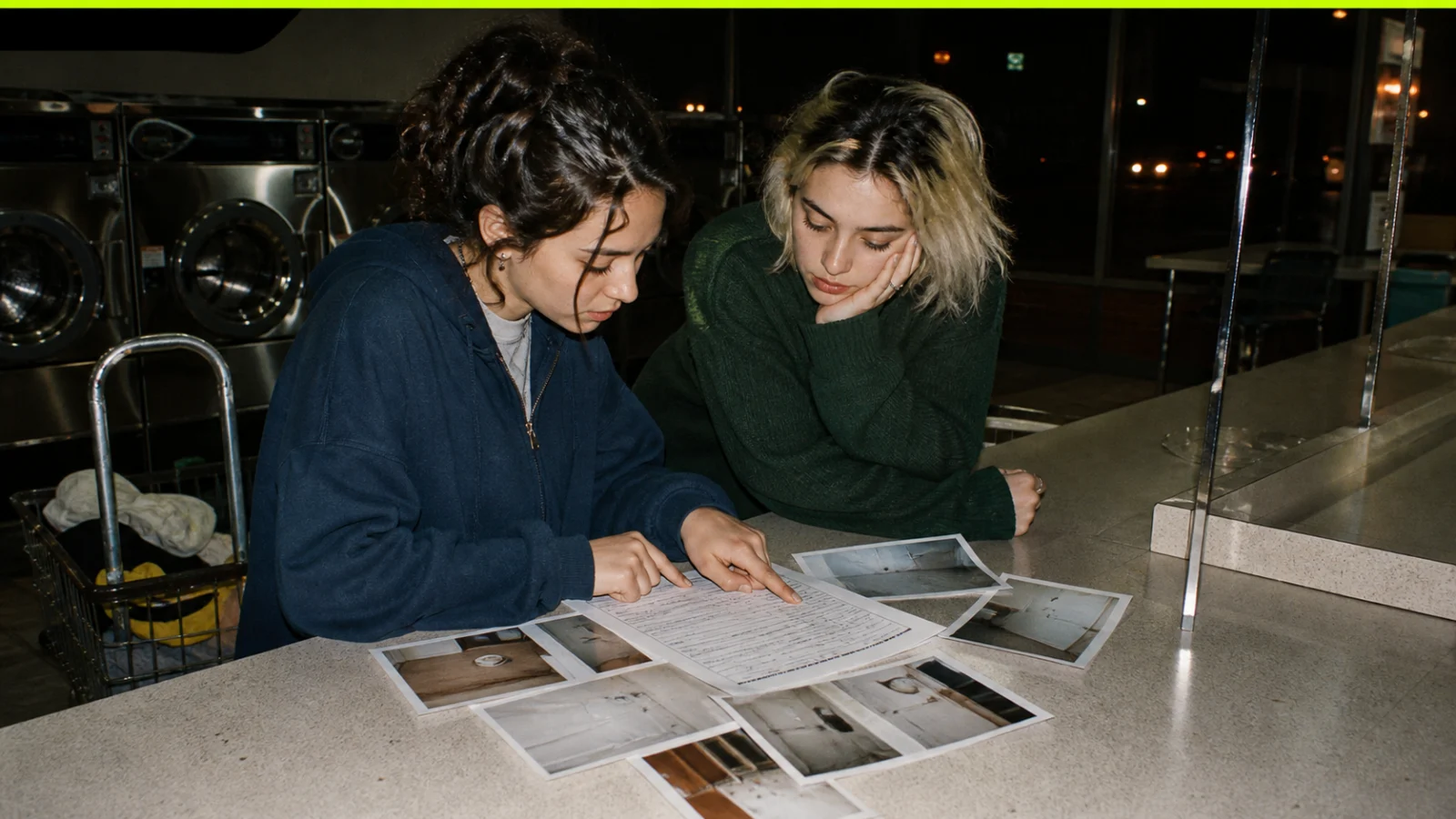
- Match each row to move-in, pre-work, and post-work photographs.
- Recalculate the rows and compare their total with $900.
- Mark every unexplained difference instead of distributing it by guesswork.
Check the support required for each kind of cost
Landlord or employee work should be reasonably described with time spent and a reasonable hourly rate. Outside work generally calls for the provider's bill, invoice, or receipt and contact information if absent from the document. Materials and supplies have their own documentation path.
Covered repair and cleaning deductions also involve photographs and a written cost explanation under the current statute. A pile of documents is not necessarily a usable allocation; identify which document and amount correspond to each condition.
- Task and location
- Who performed the work
- Hours and rate or outside invoice
- Materials and quantities
- Before-work and after-work photographs
- Amount assigned to that task
Separate incomplete itemization from disputed reasonableness
If the packet never explains how $900 was divided, the first issue is completeness. If it provides a detailed $900 breakdown but you believe whole-unit cleaning or replacement was unnecessary, the issue is reasonableness, causation, ordinary wear, or scope.
Keep those objections separate. A clear statement can contain disputed charges, and a potentially supportable charge can be presented through an unclear accounting.
Do not declare the whole deduction void from one label
A vague line can be a meaningful compliance issue, but the legal effect depends on the complete statement, attached records, timing, facts, and whether any noncompliance was in bad faith. Ask for the missing breakdown and preserve the original packet.
If the dispute remains, calculate the amount you can support, the amount you contest, and why. That presentation is more useful than assuming a formatting problem guarantees recovery of all $900.
Clear answers before your next step.
Must every cleaning task have its own line?+
Section 1950.5 requires the basis and amount of deductions but does not prescribe one line format. The complete packet should still make the work and amounts sufficiently traceable to evaluate.
Can invoices cure a vague itemized statement?+
Invoices and other contemporaneous documents may provide important detail, but check whether they actually allocate the total to the rental, conditions, and tasks claimed rather than merely repeating a lump sum.
Should I dispute all $900 or only part?+
Identify any amount you accept, any amount the records support, and the portion still unexplained or disputed. Reserving your position while requesting missing details can be more precise than guessing.
Official sources used for this guide
- California Civil Code § 1950.5
- California Courts security deposit guide
- California Attorney General security deposit alert
- California DRE 2026 tenant guide
This article provides general self-help information for California renters. It is not legal advice, does not create an attorney-client relationship, and does not predict the outcome of a dispute. Rules and local protections can change.