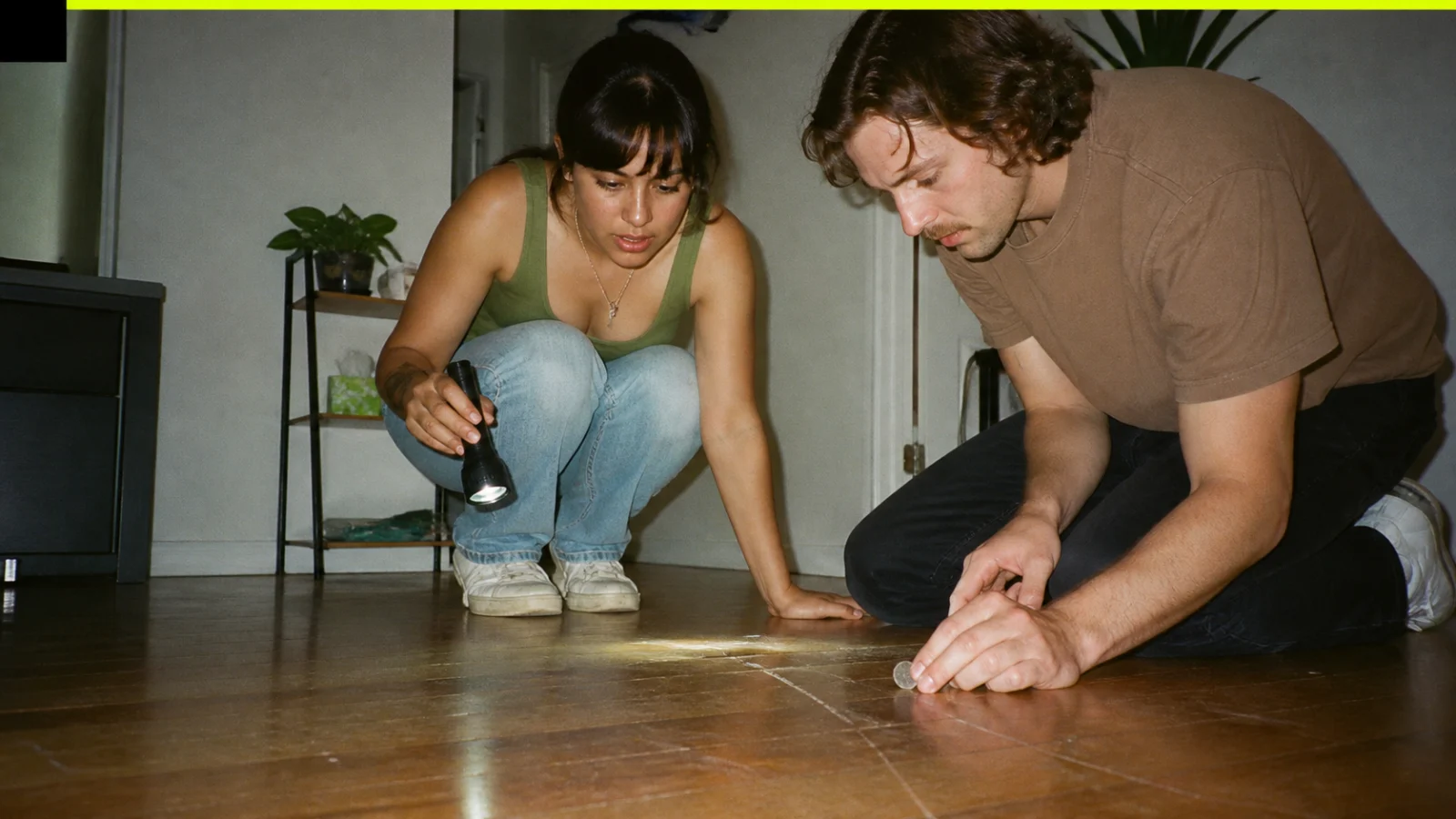
Light surface scuffs consistent with ordinary residential use may be ordinary wear that cannot be deducted from a California security deposit. Deep gouges, pet damage, burns, or water damage caused by a tenant may support a reasonably necessary repair claim. Depth, pattern, prior condition, tenancy length, cause, repair method, and amount all need a fact-specific review.
The visible mark is only the beginning of the analysis
Section 1950.5 excludes ordinary wear and tear and limits repair claims to tenant- or guest-caused damage beyond that wear. Hardwood naturally develops fine scratches, finish dulling, and traffic patterns. A concentrated gouge, dragged-furniture track, pet clawing, burn, or moisture stain can present a different factual record.
There is no statutory scratch-depth chart. Describe what the evidence shows without converting a practical rule of thumb into law.
Use pattern, depth, and chronology
Wide-area haze or fine surface marks in normal walking paths may support an ordinary-use explanation. A deep line matching furniture movement or a localized cluster tied to an event may support causation. Close-ups help, but include room-wide photographs so scale and location are not misleading.
Then add chronology. Move-in photos, listing images, maintenance messages, prior refinishing records, and inspection notes can establish whether marks or finish failure existed earlier.
- Surface scuff, finish scratch, wood gouge, stain, burn, or warped board
- Isolated mark versus normal traffic pattern
- Prior scratches, fading, gaps, cupping, or worn finish
- Known incident, leak, pet activity, or furniture movement
- Time between move-out, photography, and contractor work
Question the repair scope without assuming refinishing is improper
A spot repair may be possible for some finishes and impractical for others. A contractor may contend that a larger continuous area must be sanded or coated for a consistent result. Ask for that explanation, the square footage, process, labor, materials, and before-and-after photographs.
Even if repair is supported, a claim should restore the prior condition rather than shift unrelated renovation or ordinary floor aging to the tenant. Age and prior wear can be relevant to reasonableness, but a depreciation table found online is not automatically a statutory calculation.
Build a floor-by-floor audit
- Map each claimed mark to a room and precise location.
- Pair wide, medium, and close photographs from move-in and move-out.
- Add maintenance history, incident messages, and any floor age or refinishing record.
- Match the contractor scope and square footage to the documented areas.
- Separate undisputed damage, disputed causation, ordinary wear, and disputed amount.
Respond with an alternative supported by the record
If the landlord claims full-room refinishing, explain whether you dispute responsibility, scope, price, or all three. Ask for the missing contractor explanation or propose review of the square footage tied to the documented mark.
Avoid promising that a particular scratch will be treated as wear. The classification can turn on evidence and credibility, and a court may weigh the same photographs differently from either party.
Clear answers before your next step.
Are furniture scratches normal wear and tear?+
Not automatically. Fine marks from ordinary use may be wear, while deep tracks from dragging furniture may be treated as damage. The actual pattern, depth, and circumstances matter.
Can a landlord charge to refinish the whole floor?+
A broad refinishing charge should be supported by the documented damage and a reasonable explanation of why a narrower repair would not restore the starting condition.
Does an old floor eliminate every charge?+
No. An old floor can still be newly damaged. Age and prior wear may affect condition and amount, but they do not automatically erase responsibility for provable tenant-caused damage.
Official sources used for this guide
- California Civil Code § 1950.5
- California Courts security deposit guide
- California Attorney General security deposit alert
- California Department of Real Estate tenant guide
This article provides general self-help information for California renters. It is not legal advice, does not create an attorney-client relationship, and does not predict the outcome of a dispute. Rules and local protections can change.