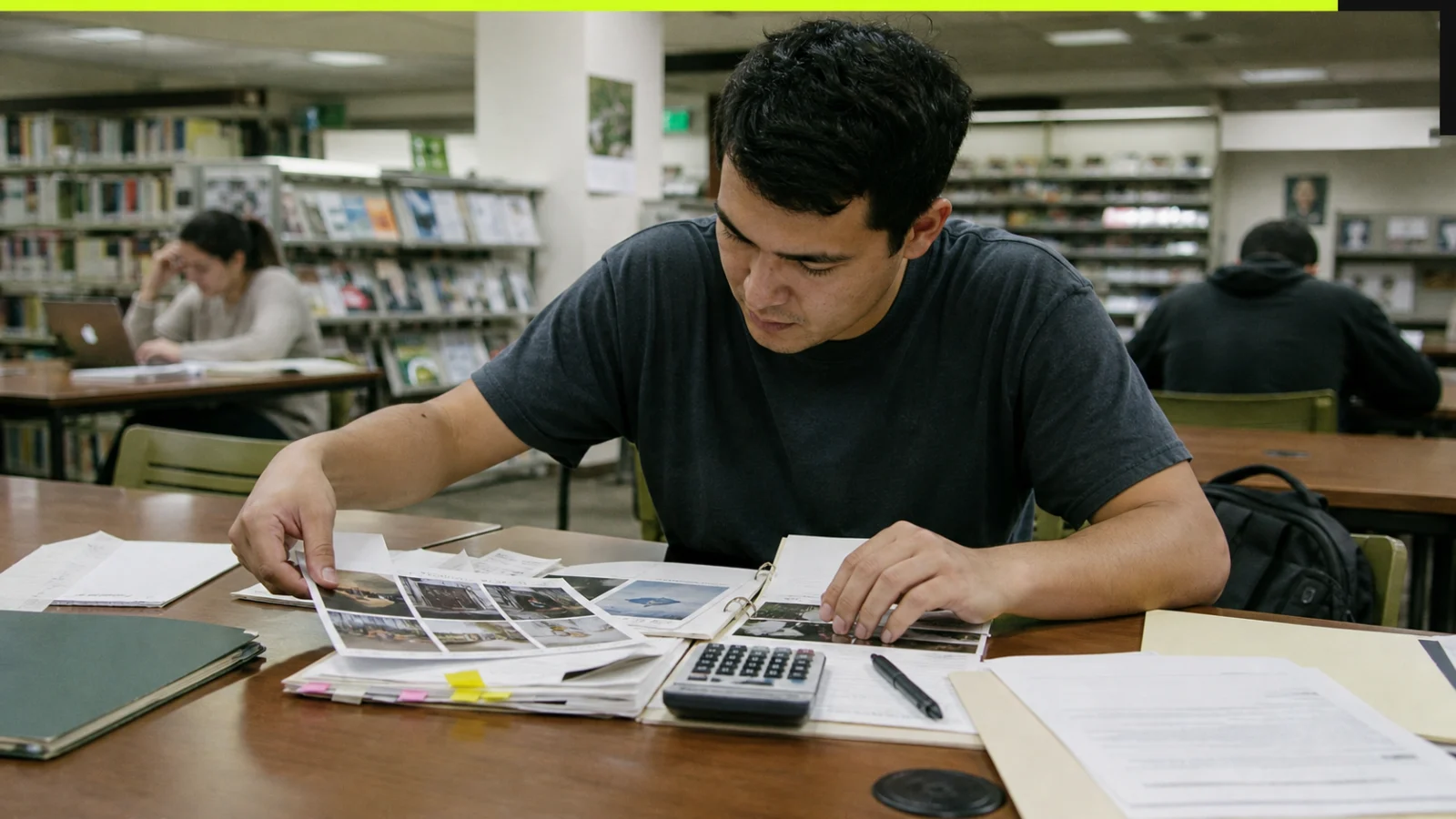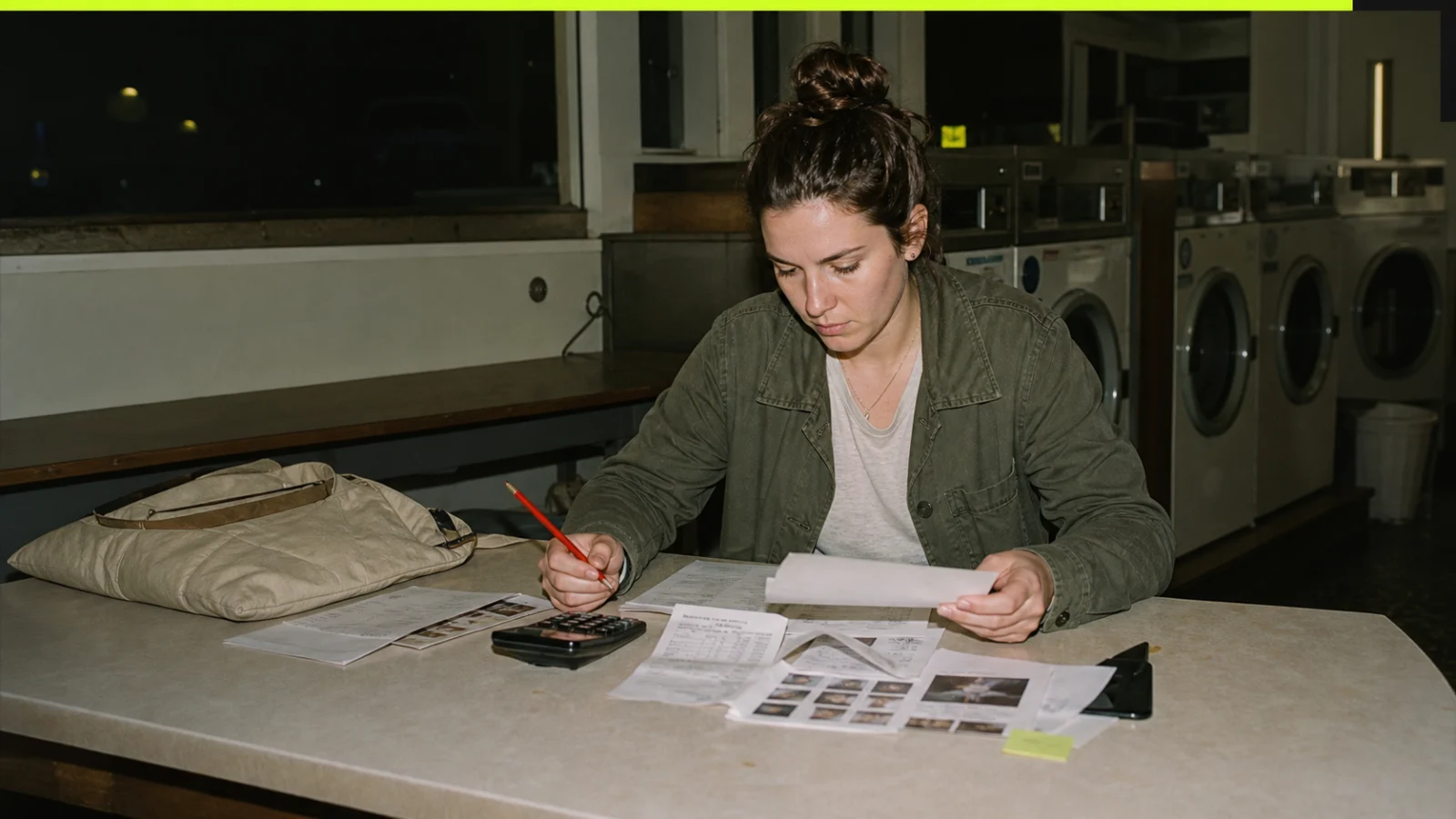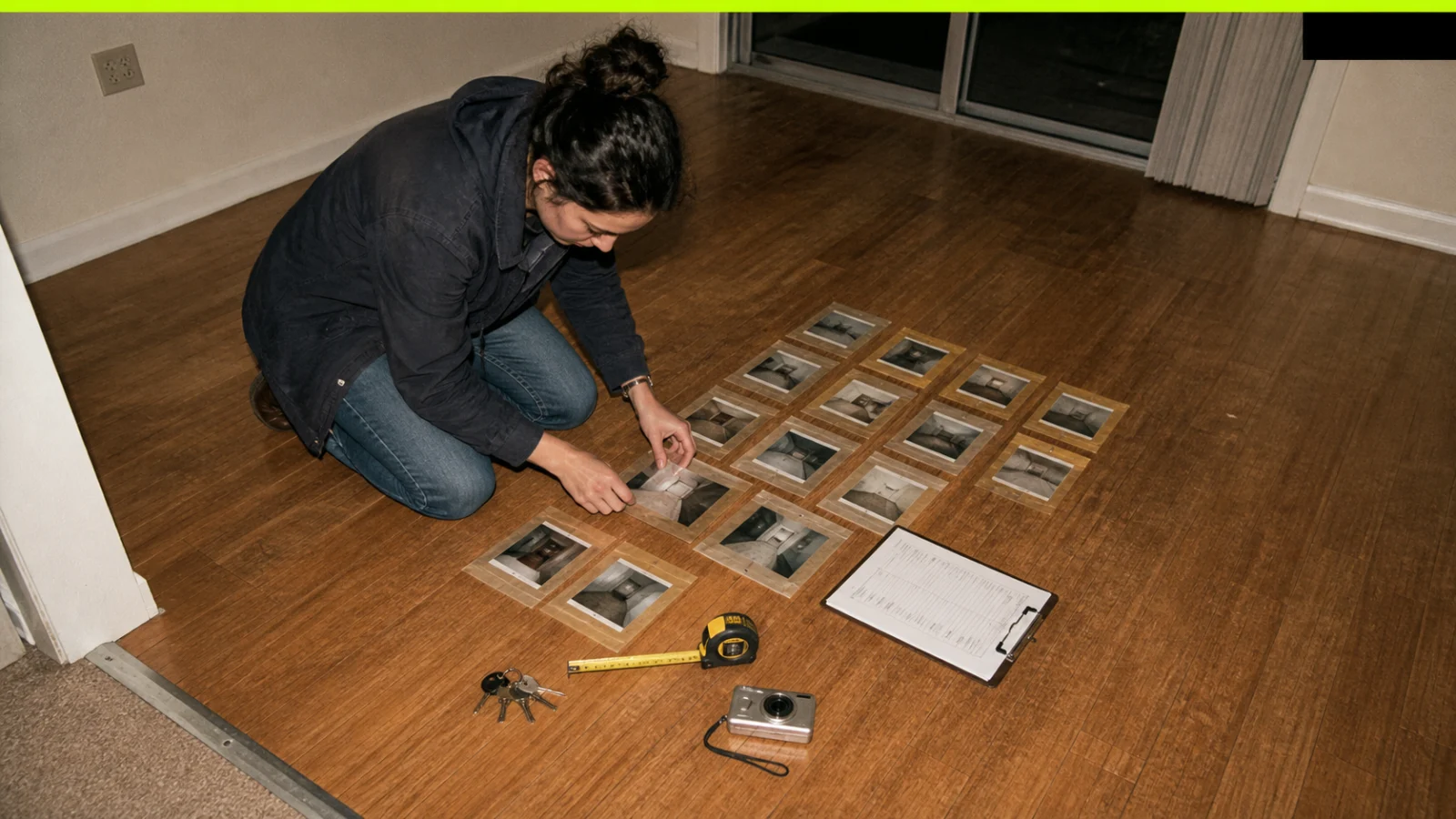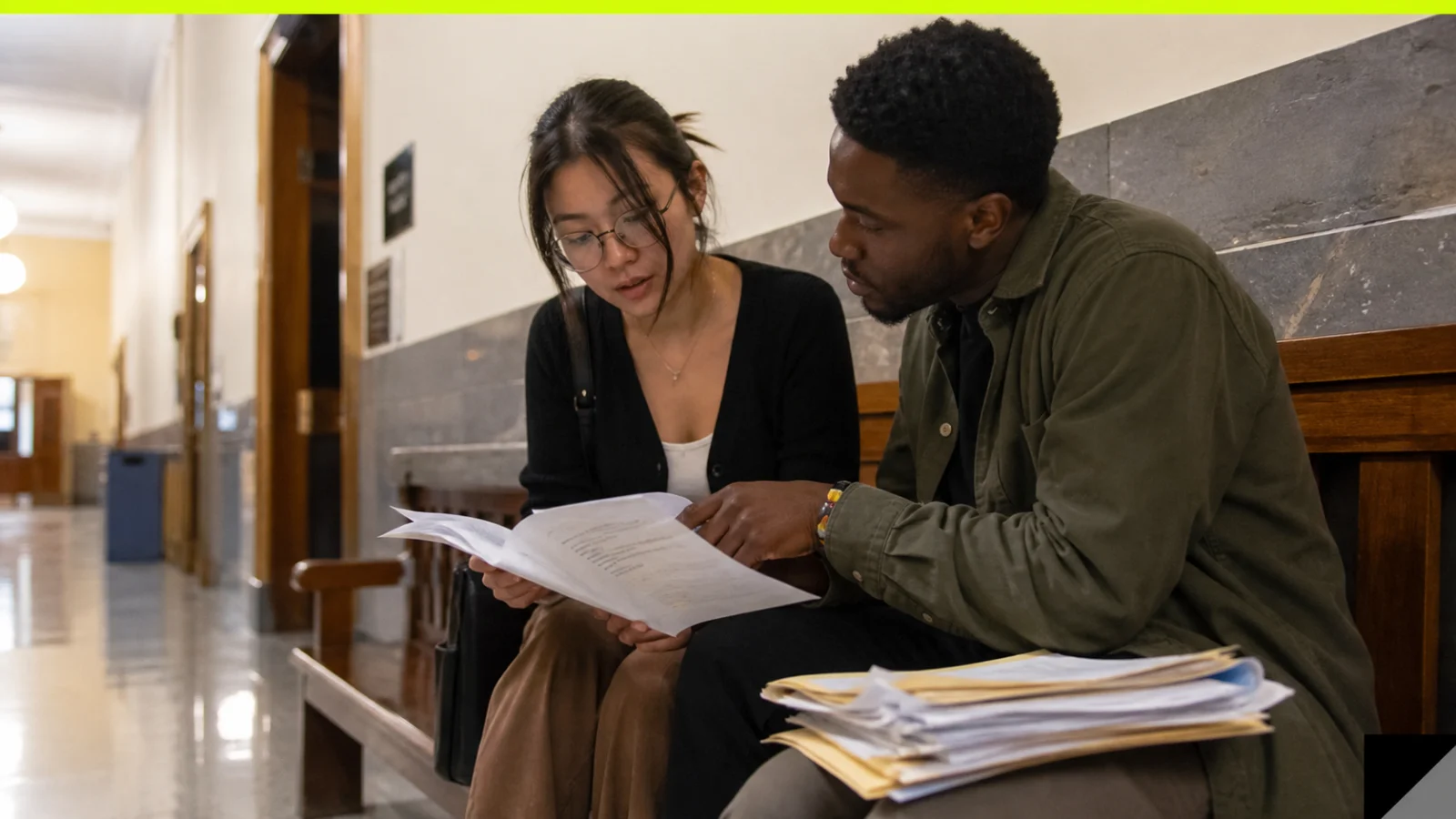
A landlord counterclaim means the court may decide both your deposit claim and the landlord's asserted money claim. Read the filed form and hearing notice immediately, verify service and local deadlines, and build a separate response for every amount claimed. Your original deposit evidence remains relevant, but you also need defenses, credits, witnesses, and documents directed to the counterclaim.
A counterclaim changes the scope, not the need for proof
California small claims defendants may use a Defendant's Claim, form SC-120, to sue the plaintiff back when the procedural rules permit. A filed counterclaim is more than a threat in an email: it puts an additional request for money before the judge.
The landlord still must support the amounts claimed, and you must be ready to answer them. Do not assume your evidence of a deposit violation automatically defeats unpaid rent, property damage, utilities, lease-break damages, or another separately pleaded item.
Triage the papers on the day they arrive
- Save the envelope and record when and how each document was served.
- Confirm the court, case number, hearing date, parties, amount, and every attachment.
- Check whether the counterclaim names only plaintiffs already in the case and whether additional pages identify more parties.
- Review California Courts and the local court website for filing, service, evidence-exchange, remote-hearing, and postponement procedures.
- Contact the court's small claims advisor promptly if service or timing appears defective; do not simply skip the hearing.
Create a counterclaim matrix
- Claimed item and amount
- Lease clause or legal basis asserted
- Landlord's invoice, photograph, ledger, witness, or estimate
- Your response: paid, preexisting, ordinary wear, not caused, unreasonable, duplicated, mitigated, or unsupported
- Your exhibit and witness for that response
- Any credit from the deposit, insurance, replacement tenant, or prior payment
Prepare both stories for one hearing
Organize your affirmative deposit claim first: deposit paid, move-out, accounting, deductions, demand, and requested amount. Then organize the counterclaim response in the same order as the landlord's form. Use a one-page chronology and a one-page damages table to connect the two without blending them.
Bring admissible originals or court-accepted copies, enough exhibit sets if local instructions require them, and witnesses with firsthand knowledge. Screenshots should identify participants and dates; photographs should be tied to a location and time.
Evaluate exposure without treating it as a predicted result
A counterclaim can reduce, offset, or exceed the amount you seek if the landlord proves it and the court accepts the legal basis. It can also fail in whole or part. Estimate best-supported, disputed, and maximum asserted amounts so that settlement decisions are informed rather than fear-driven.
Ask a lawyer or advisor about claims outside ordinary small claims scope, a counterclaim above jurisdictional limits, bankruptcy, entity parties, or appeal consequences. California Courts notes that appeal rights differ depending on who brought the claim, so verify the current guidance before deciding strategy.
Clear answers before your next step.
Can a landlord sue me back in small claims?+
Potentially. California Courts provides form SC-120 for a defendant to sue the plaintiff back, subject to rules about parties, timing, service, amount, and venue.
Does a counterclaim cancel my deposit claim?+
No. Both claims may be decided at the hearing. Each side's requested amounts and evidence should be analyzed separately, including any offset or duplicate credit.
Should I dismiss my case after receiving a counterclaim?+
Not without understanding the procedural effect. Dismissal may not automatically eliminate a filed defendant's claim. Check the court rules and get individualized advice.
Official sources used for this guide
- California Courts, suing the other side back
- California Courts small claims guide
- California Civil Code § 1950.5
- California DRE 2026 tenant guide
This article provides general self-help information for California renters. It is not legal advice, does not create an attorney-client relationship, and does not predict the outcome of a dispute. Rules and local protections can change.