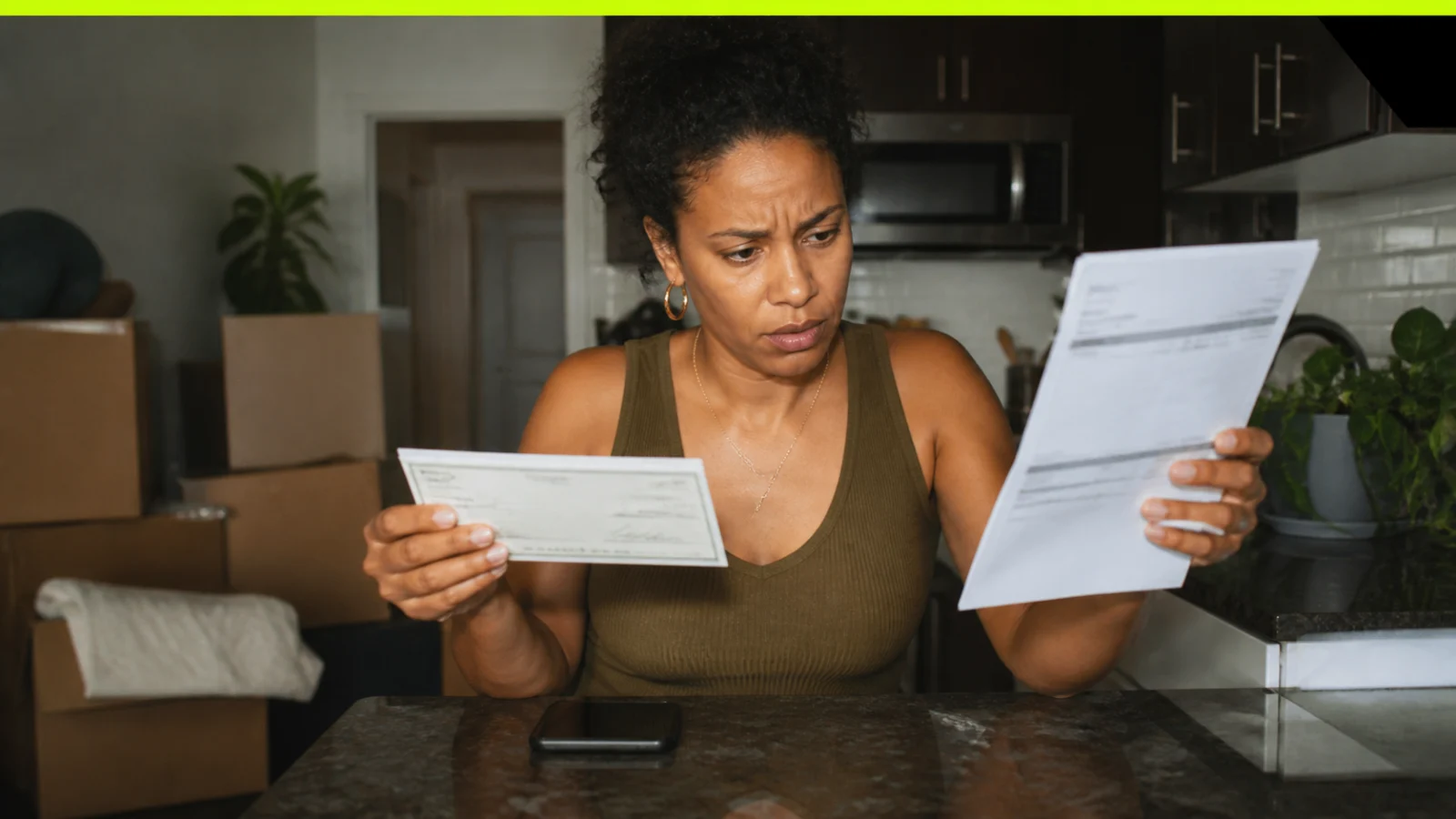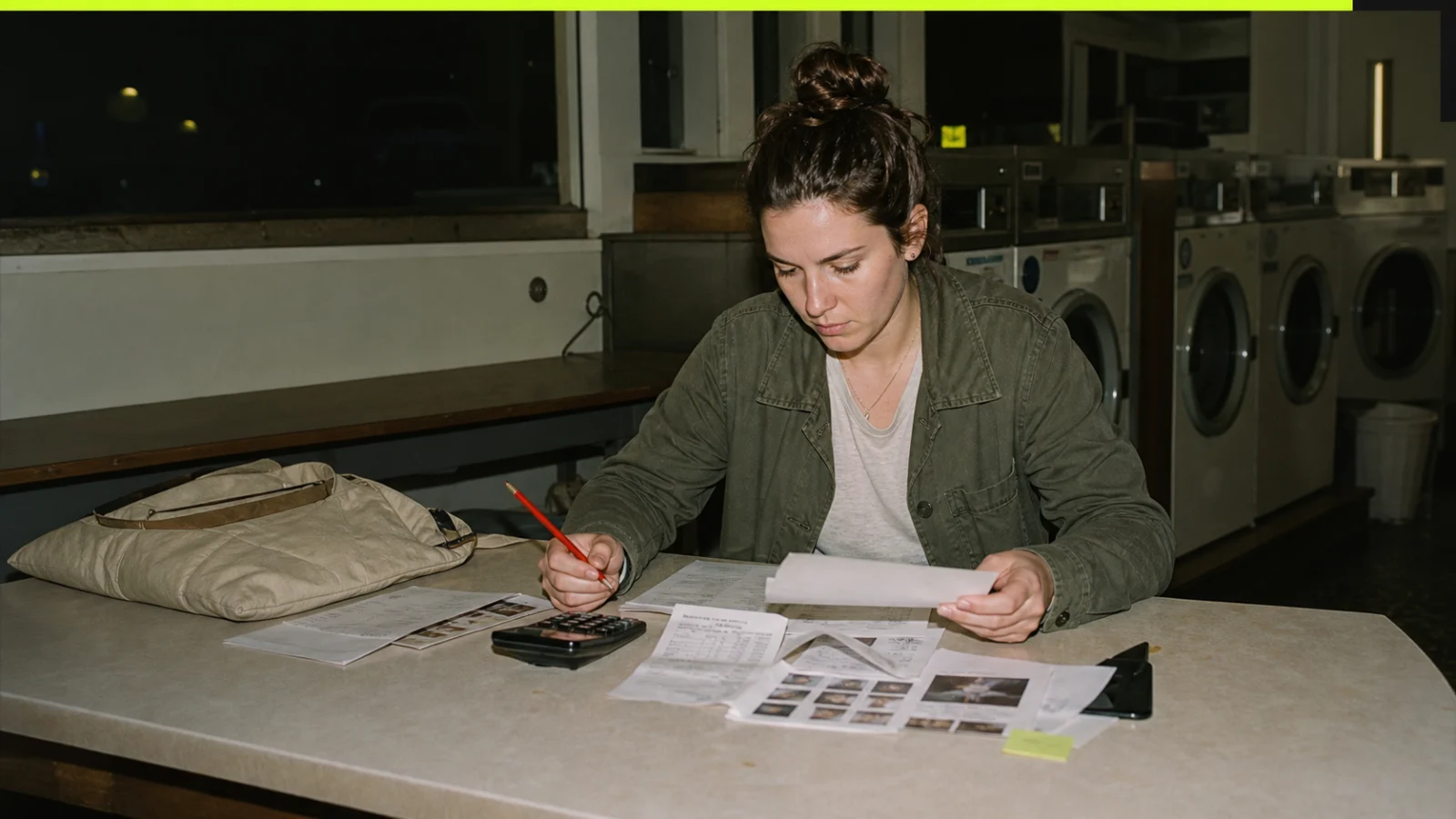
Verify that the collector and notice are legitimate, then compare the claimed move-out balance with your lease, deposit accounting, payments, photographs, and invoices. Federal debt-collection rules generally give consumers a 30-day validation period stated in the notice to dispute all or part of a debt in writing. A collection dispute and a credit-report dispute are separate processes, so address both when applicable and never ignore court papers.
First identify who is contacting you and what they claim
Do not provide bank credentials or sensitive identity information to an unverified caller. Use independently located contact information to confirm the collection company, original creditor, account reference, and whether the property manager actually assigned or placed the account.
A debt collector's validation notice generally identifies the creditor, current amount, itemization, and the end date of a 30-day dispute period. Read the actual notice because timing and rights depend on the communication and applicable law.
Audit the balance before writing
- Reconcile rent, utilities, concessions, fees, the security deposit, refunds, and prior payments on one ledger.
- Match repair and cleaning charges to dated photographs, invoices, and the move-in baseline.
- Flag amounts already withheld from the deposit, paid by insurance, reversed, or charged twice.
- Compare the collector's itemization date and amount with the landlord's final statement and later bill.
- Write a line-by-line disputed amount rather than saying only that the whole account is wrong.
Use the validation process deliberately
The Consumer Financial Protection Bureau explains that a written dispute sent within the validation period generally requires the collector to pause collection of the disputed amount until it sends verification. Follow the notice's instructions, preserve delivery proof, and send copies rather than irreplaceable originals.
Verification is not necessarily a court judgment that the debt is valid. After reviewing the response, you may still dispute causation, reasonableness, lease authority, credits, or deposit handling through negotiation, a complaint channel, or court.
Dispute inaccurate credit reporting with evidence
- Obtain reports from the official federally authorized source and identify which bureau reports the account.
- Send a focused dispute to each reporting bureau that contains the error and consider also disputing with the furnisher.
- Identify the exact field or amount that is inaccurate and attach the lease, ledger, payment proof, and correspondence that supports your position.
- Keep confirmation numbers, uploads, certified-mail records, results, and updated reports.
- Do not claim identity theft unless the account truly resulted from identity theft.
Escalate when the consequences become concrete
Get consumer-law or tenant-law help if the collector continues without addressing a timely validation request, reports information you can document as inaccurate, threatens action it cannot legally take, or serves a lawsuit. Answer litigation by the deadline on the court papers even if a bureau or collector dispute remains pending.
Settlement may be practical in some cases, but obtain all terms in writing before paying: amount, due date, account status, release scope, and how reporting will be updated. No template can promise deletion from a credit report or prevent a creditor from pursuing a supported claim.
Clear answers before your next step.
Will disputing the debt remove it from my credit report?+
Not automatically. Debt validation and credit reporting disputes are different. Accurate information may remain, while inaccurate or unverifiable reporting should be investigated under the applicable process.
What if the 30-day validation period already passed?+
You can still communicate a dispute and may retain other rights, but missing the period can affect specific federal protections. Seek advice promptly and do not ignore a lawsuit.
Should I send the collector my move-out photos?+
Send only copies relevant to the disputed lines, with dates and explanation. Preserve originals and avoid disclosing unrelated personal information.
Official sources used for this guide
- CFPB, debt validation notices
- CFPB, disputing credit report errors
- California Civil Code § 1950.5
- California Attorney General security deposit guide
This article provides general self-help information for California renters. It is not legal advice, does not create an attorney-client relationship, and does not predict the outcome of a dispute. Rules and local protections can change.