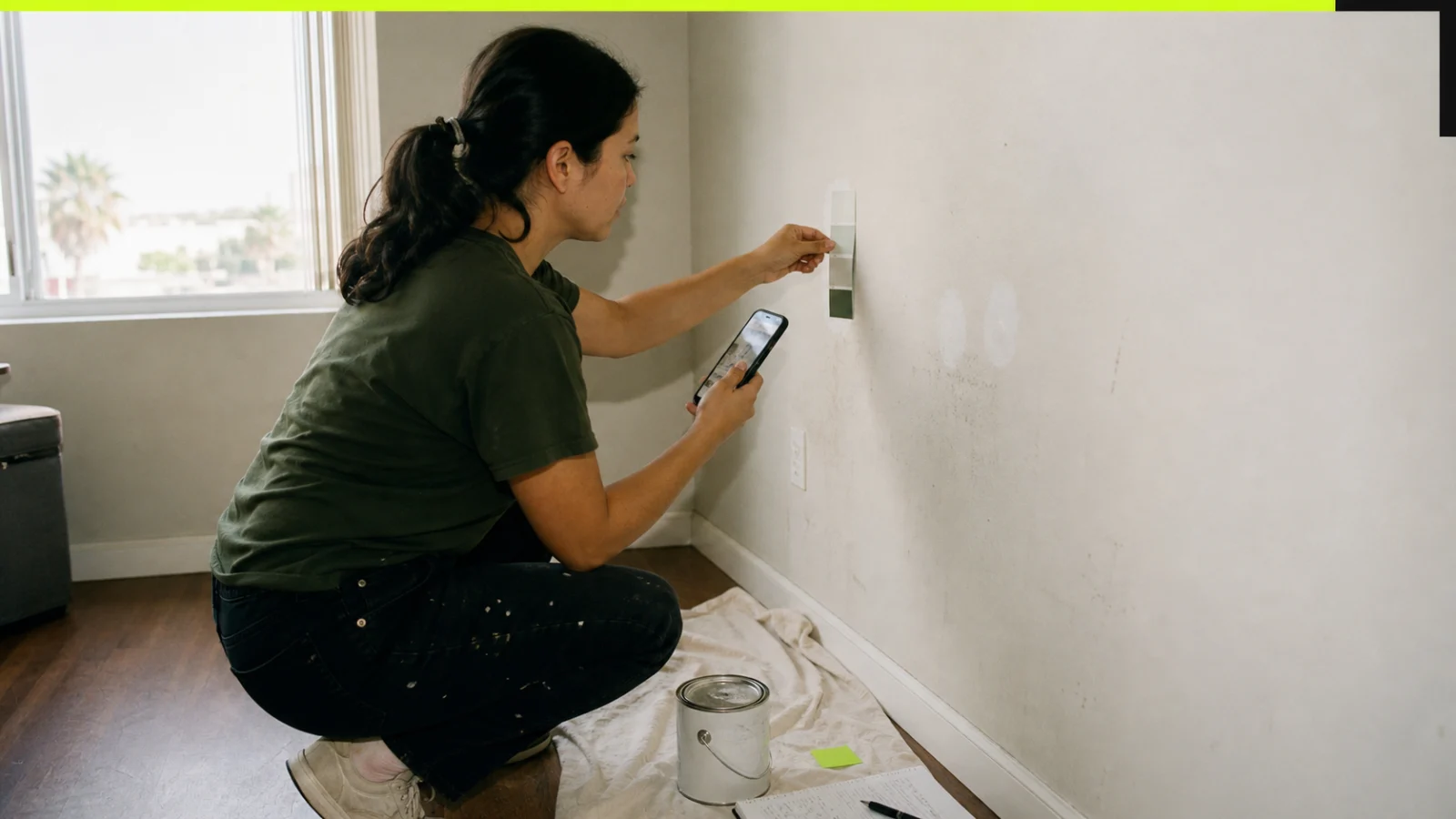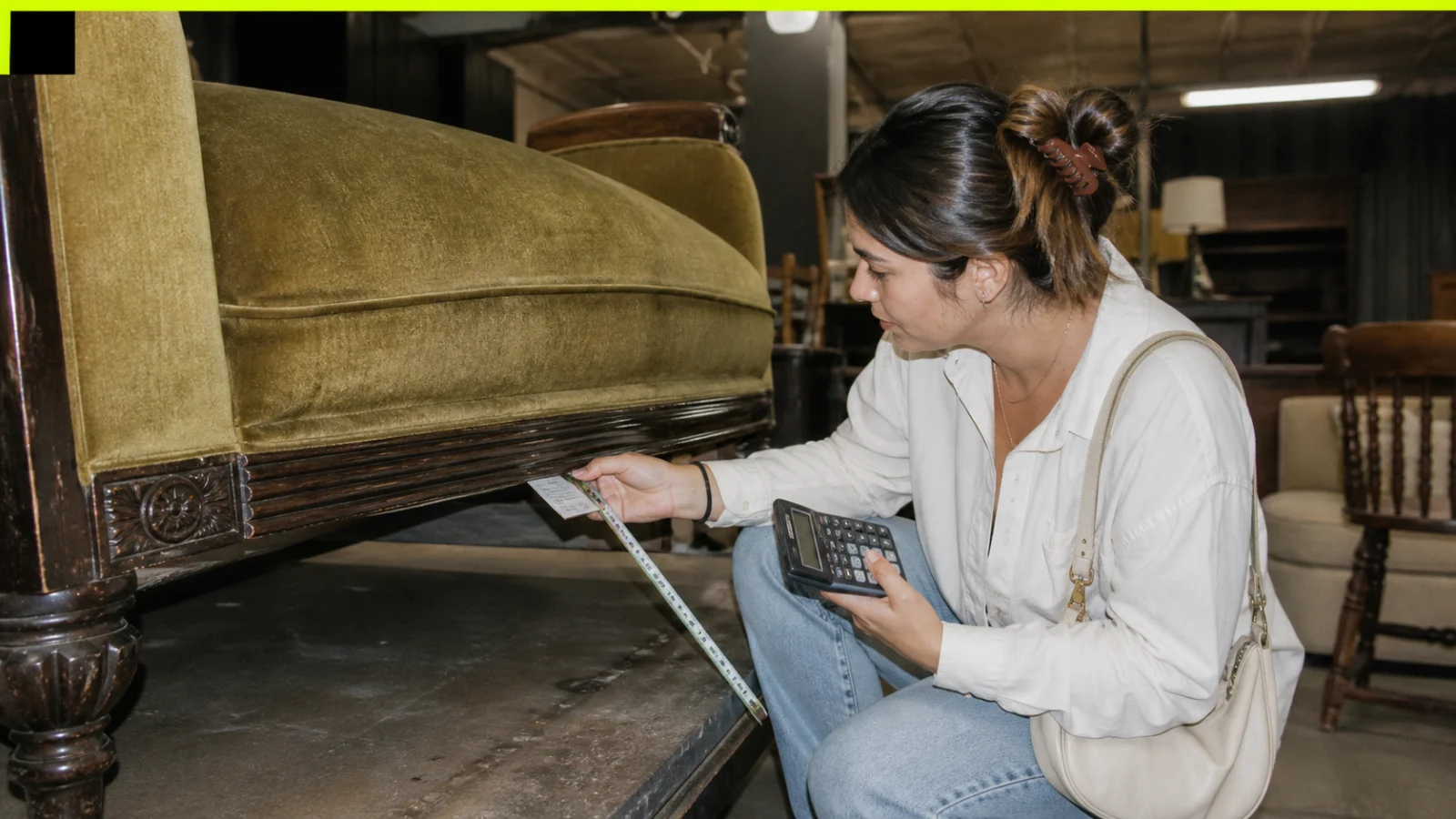
California Civil Code section 1950.5 does not prescribe a universal depreciation schedule or proration formula for deposit deductions. It limits claims for work, materials, and supplies to a reasonable amount necessary to restore the rental to its condition at the start of the tenancy, excluding ordinary wear. To audit a full replacement charge, document the item's age and move-in condition, why repair was insufficient, the actual replacement scope and cost, and whether the charge gives the landlord more than restoration.
Proration is an audit method, not a statutory formula
A useful-life calculation can test whether charging the full price of a new item fairly reflects the loss attributed to the tenancy. But section 1950.5 does not say that every carpet lasts a fixed number of years or require one statewide straight-line formula.
Treat age and remaining use as evidence bearing on reasonableness, not as an automatic result. Product quality, installation date, maintenance, preexisting wear, repairability, and the condition shown in photographs can change the analysis.
Build the replacement baseline
If the installation date is unknown, label it unknown and request the record. Do not convert a guess into a fact. A range supported by product records or dated photographs is more credible than an invented exact age.
- Identify the exact item, room, brand or grade, and portion replaced.
- Find the installation or purchase date from invoices, listings, inspection records, or written admissions.
- Compare move-in and move-out photographs from similar angles.
- Record preexisting stains, repairs, fading, defects, and ordinary wear.
- Ask what repair options were considered and why replacement was selected.
Run a transparent remaining-use calculation
For an audit illustration, divide the supported replacement cost by a supported expected-use period, then allocate only the remaining period at move-out. For example, if credible records support a $1,200 cost and an eight-year expected use, an item already six years old would have two years remaining under a straight-line model, producing a $300 reference amount.
That number is not a legal conclusion. Test it against actual condition, any repair value, the portion replaced, and whether the new item is materially better or broader than the old one. Keep the source for every input beside the calculation.
- Supported cost rather than a verbal estimate
- Installation age and expected-use source
- Remaining-use calculation shown line by line
- Adjustment for partial replacement or repair
- Credit for prior wear, damage, salvage, or insurance
Check the actual scope and documentation
A replacement invoice can prove that money was charged without proving that the entire scope was reasonably necessary because of the tenant. Match the itemized deduction, contractor invoice, materials record, and before-and-after photographs to the same item and area.
Watch for whole-room or whole-unit work tied to one localized condition, upgraded products, unrelated labor, delivery fees for other units, or quantities that do not match the photographed area. Separate supported restoration from the portion still in question.
Make a narrow written request
State the replacement amount, the documented age and prior condition, the calculation you used as an audit, and the exact adjustment or records requested. Acknowledge any responsibility you do not dispute. This makes the disagreement about amount and scope rather than motive.
A landlord may offer different evidence or a different valuation method, and a court may weigh the facts differently. An organized proration analysis improves reviewability but does not guarantee a refund or legal result.
Clear answers before your next step.
Does California law set a lifespan for carpet, paint, or appliances?+
Section 1950.5 does not provide a universal lifespan table. Age, prior condition, product information, repairability, and actual replacement evidence may all bear on whether the amount is reasonable.
Can a landlord charge the full price of a brand-new replacement?+
A full charge may be disputed when the old item was already used, worn, partially damaged, repairable, or replaced with a broader or better product. The outcome depends on the evidence and reasonable restoration cost.
What if I cannot prove the installation date?+
Request purchase or installation records and use dated move-in photos, listings, maintenance records, model information, or admissions to establish a defensible range. Clearly mark any remaining uncertainty.
Official sources used for this guide
- California Civil Code § 1950.5
- California Courts security deposit guide
- California Attorney General security deposit alert
- California DRE 2026 tenant guide
This article provides general self-help information for California renters. It is not legal advice, does not create an attorney-client relationship, and does not predict the outcome of a dispute. Rules and local protections can change.