To support a California security-deposit charge for smoke or odor removal, a landlord should connect the condition to the tenant or guest, distinguish it from a preexisting or building-wide source, show that cleaning or repair was reasonably necessary to restore the move-in condition, and document the scope and cost. Because odor is difficult to photograph, contemporaneous records and credible observations can be especially important.
An odor label does not establish source or responsibility
Smoke and odor claims may involve cleaning, paint, filters, flooring, soft materials, or other repairs. Section 1950.5 can permit reasonably necessary cleaning or tenant-caused damage repair, but excludes preexisting conditions and ordinary wear. The first question is what condition existed and where it came from.
Possible sources include indoor smoking, cooking, pets, moisture, drains, neighboring units, wildfire smoke, HVAC transfer, prior occupants, or building materials. The landlord need not rule out every theoretical source, but the evidence should do more than repeat odor removal on an invoice.
Build proof for a condition that cameras cannot capture
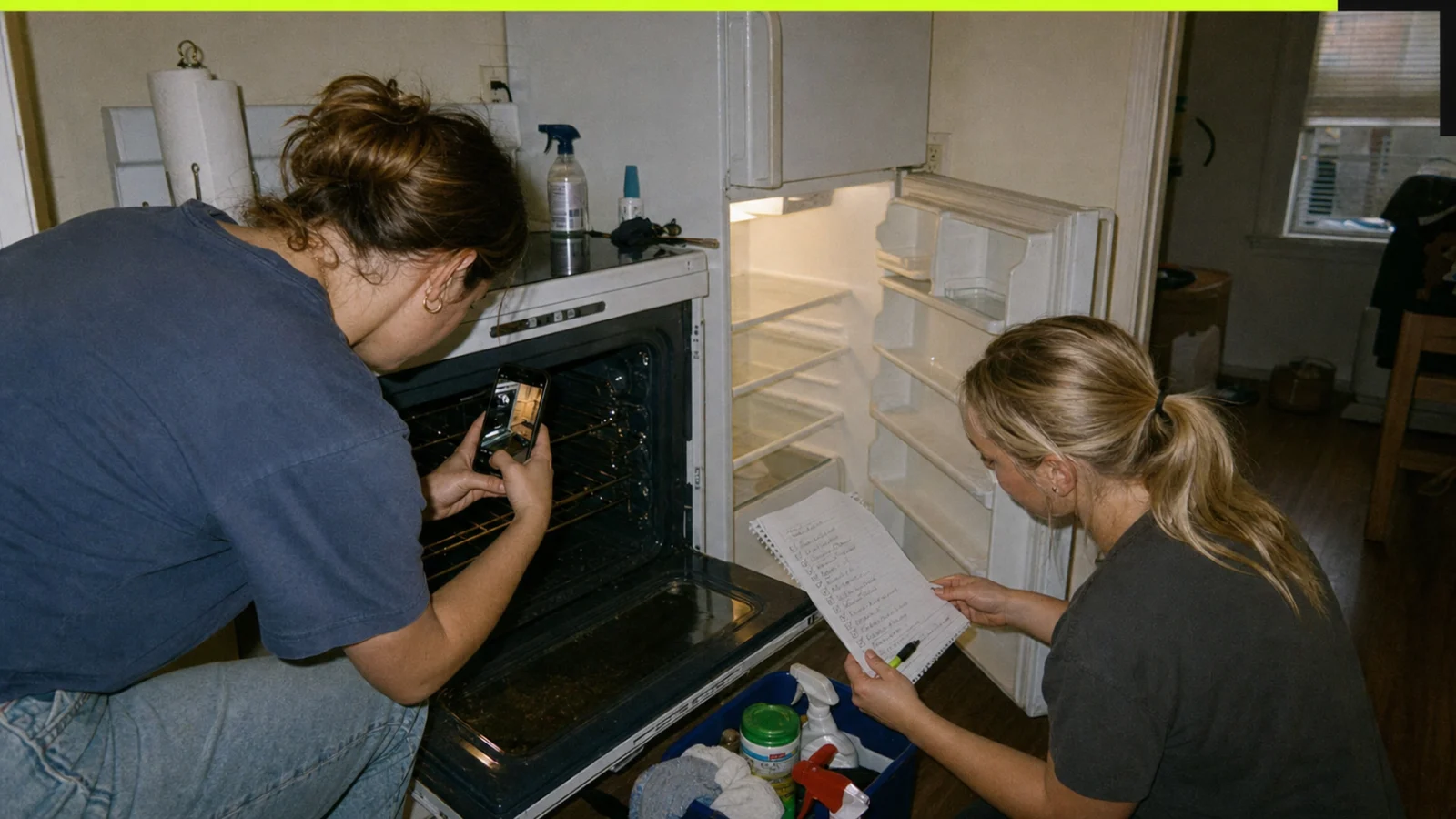
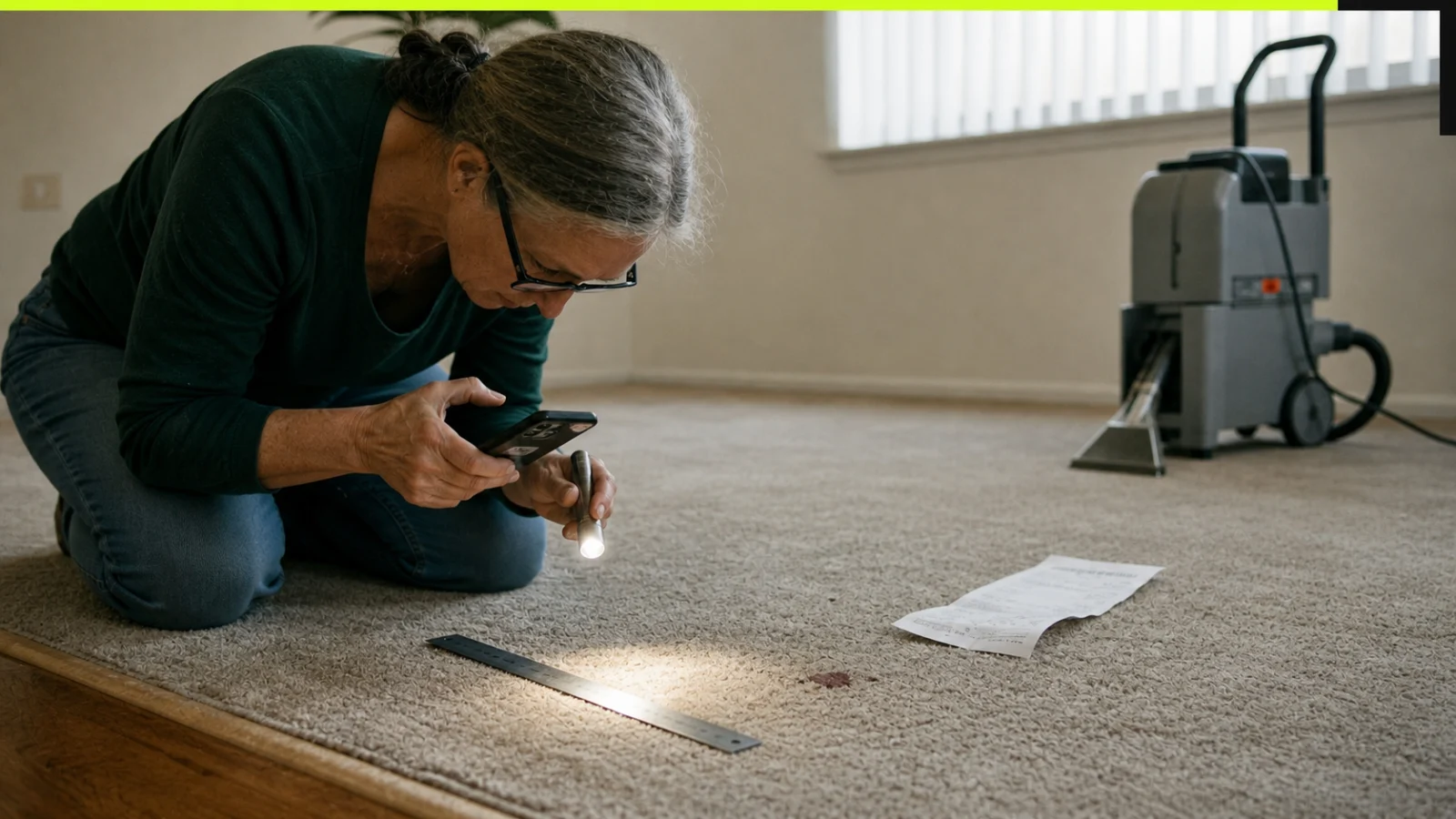
Photos can show residue, staining, ash, damaged filters, or remediation work, but cannot record smell. Contemporaneous inspection notes should identify who observed the odor, when, where, how strong it appeared, and whether it remained after ventilation or ordinary cleaning.
Compare move-in records and mid-tenancy complaints. Reports of recurring smoke from a neighboring unit or an unresolved moisture problem may materially change causation. Statements made long after contractors entered or materials were removed may deserve different weight from immediate observations.
- Move-in odor and cleanliness records
- Lease smoking, pet, and ventilation terms
- Dated complaints, inspection notes, and witness observations
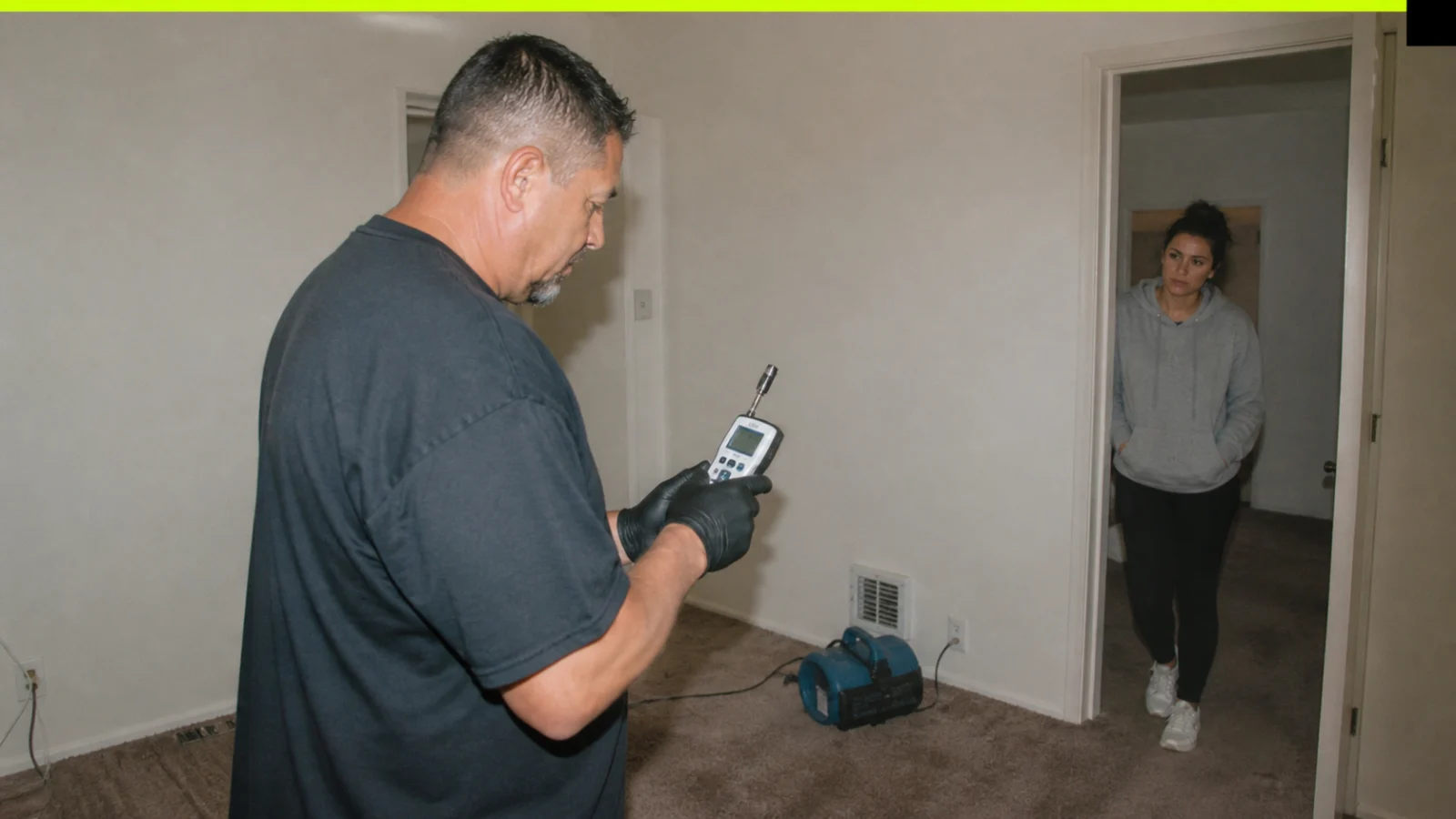
- Visible residue, filter condition, moisture data, or contractor findings
- Timing of keys returned, inspection, cleaning, painting, and reinspection
Require a remediation chain, not just a large invoice
Map each treatment to the condition it addressed: ordinary cleaning, deodorizing, filter replacement, sealing, painting, carpet treatment, flooring removal, or specialized equipment. Ask why each step was needed and whether the odor persisted after the preceding step.
Watch for overlapping labor, repeated treatments without explanation, whole-unit work based on one localized area, or upgrades to finishes. A contractor invoice can support cost and professional observations, but it does not automatically prove who caused the condition.
Run a smoke-and-odor audit
- Create a source timeline from move-in through the first post-move-out observation.
- List every observer, location, date, and contemporaneous note.
- Pair visible-condition photos with HVAC, moisture, complaint, and inspection records.
- Sequence each remediation step and record whether it changed the condition.
- Reconcile labor, materials, equipment, and duplicate cleaning or painting charges.
Challenge the weakest link precisely
A response can dispute source while leaving reasonable cleaning open, or accept that odor existed while challenging whole-unit sealing and repainting. Identify whether the gap is condition, causation, necessity, scope, or amount.
No particular combination of odor evidence guarantees a decision. Credibility, expert observations, building conditions, and lease facts may affect how a landlord, mediator, or court evaluates the claim.
Clear answers before your next step.
Can a landlord prove odor without photographs?+
Potentially. Photos cannot capture smell, so timely inspection notes, multiple observers, contractor findings, visible residue, complaints, and source evidence may be relevant.
Can a landlord charge for repainting after smoke?+
Repainting may be supportable if reasonably necessary to address tenant-caused residue or odor, but causation, prior paint condition, treatment sequence, area, and cost should be documented.
What if smoke came from another apartment?+
Preserve complaints, dates, witness accounts, HVAC observations, and landlord responses. Those records may challenge tenant causation, though the full building and unit evidence still matters.
Official sources used for this guide
- California Civil Code § 1950.5
- California Courts security deposit guide
- California Attorney General security deposit alert
- California Department of Real Estate tenant guide
This article provides general self-help information for California renters. It is not legal advice, does not create an attorney-client relationship, and does not predict the outcome of a dispute. Rules and local protections can change.