A California landlord may deduct reasonably necessary cleaning or disposal costs when tenant-left trash made work necessary to return the unit to its starting level of cleanliness. The charge should identify what remained, where it was located, what work occurred, and the reasonable cost. Ordinary turnover, unsupported flat fees, and removal unrelated to the tenant remain open to challenge.
Trash removal usually turns on cleaning and causation
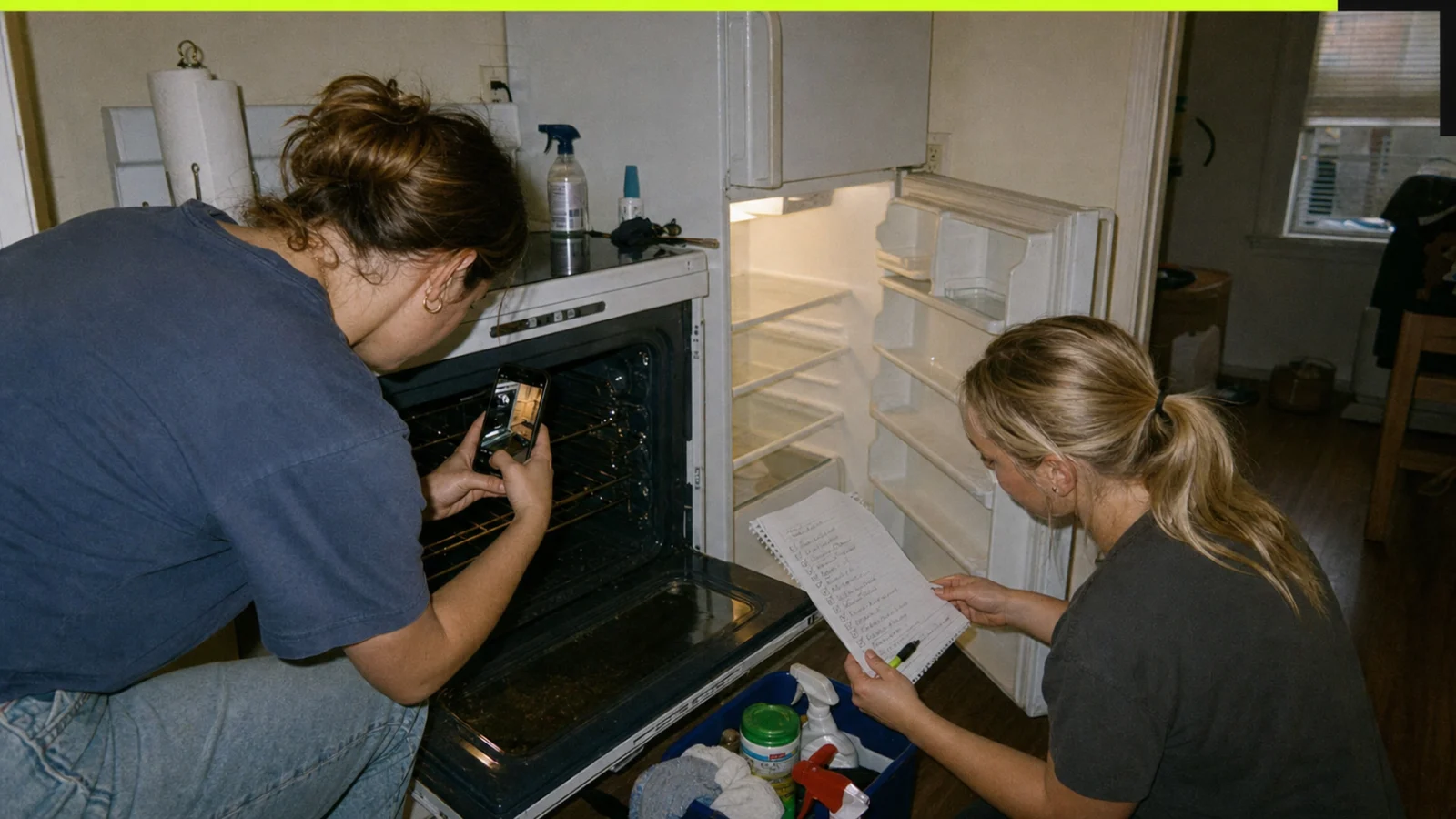
Section 1950.5 permits reasonably necessary cleaning to return the premises to the same level of cleanliness present at move-in. Bags, spoiled food, loose debris, or unwanted furniture can require labor and disposal beyond ordinary turnover. But the statement still needs a factual basis connecting the material and work to the departing tenant.
Do not treat every item as obvious trash. Documents, keepsakes, furniture, or other personal property may implicate separate rules for property left behind. This article does not determine whether an item was abandoned or authorize disposal; get case-specific help when ownership or required notice is disputed.
Identify what, where, and how much
A photo of one bag does not necessarily support a truckload charge. Build an inventory by room or exterior area and note approximate volume, weight, special handling, and access conditions. Preserve wide photos as well as close-ups.
Compare the move-in cleanliness record. Existing debris, landlord supplies, shared-area waste, and items the landlord agreed to keep should not be silently included in the tenant's charge.
- Item or debris category and location
- Approximate quantity or volume
- Move-in evidence and ownership context
- Pre-removal and post-removal photographs
- Hauling, dump, labor, and special-disposal records
Test labor, hauling, and disposal separately
A removal total may combine employee labor, contractor hauling, vehicle fees, dump charges, and cleaning. Ask for the time and reasonable hourly rate when the landlord or an employee did the work, or the contractor invoice and contact information when someone else did it.
Check for duplicate labor between trash removal and a separate cleaning invoice. Also ask whether a minimum service-call fee was actually incurred and whether the quantity photographed reasonably matches the disposal charge.
Run a trash-removal audit
- Copy the exact removal and cleaning lines from the itemized statement.
- Inventory the photographed items by room, ownership, and quantity.
- Compare move-in, move-out, pre-removal, and post-removal condition.
- Reconcile labor hours, hauling invoices, dump receipts, and cleaning overlap.
- Flag disputed ownership or abandoned-property issues for case-specific review.
Ask for the amount the evidence can support
You can acknowledge that several bags remained while disputing an unphotographed furniture haul or duplicate cleaning time. State the supported portion, the contested portion, and the document needed to resolve the gap.
That precision improves the record but does not guarantee an adjustment. Ownership, credibility, lease terms, and local disposal requirements may affect the analysis.
Clear answers before your next step.
Can a landlord charge for one bag of trash?+
Potentially, if removal was reasonably necessary and the amount is supported. The quantity, location, labor, and disposal cost should be proportionate to the documented condition.
Can a landlord charge both trash removal and cleaning?+
Different work can support separate charges, but compare scopes and labor times to identify duplication. Each amount should be tied to reasonably necessary work.
Can the landlord throw away furniture left behind?+
Property left behind can involve separate notice, storage, and disposal rules. Do not assume the security-deposit cleaning analysis alone answers whether disposal was permitted.
Official sources used for this guide
- California Civil Code § 1950.5
- California Courts security deposit guide
- California Attorney General security deposit alert
- California Department of Real Estate tenant guide
This article provides general self-help information for California renters. It is not legal advice, does not create an attorney-client relationship, and does not predict the outcome of a dispute. Rules and local protections can change.