Starting in 2026, when multiple adult tenants reside in a California rental, the default is generally a refund check payable to all adult tenants on the rental agreement and an itemized statement delivered to one adult tenant. A written agreement signed by the landlord and all adult tenants can instead specify who receives the refund, allocation percentages, and delivery details.
The default protects the group, but can be inconvenient
Without a written allocation agreement, the landlord generally issues the remaining security by check payable to all adult tenants on the lease at termination. The itemized statement is furnished to one adult tenant selected by the landlord.
A joint check can require coordination after everyone has moved. Roommates who expect different shares should not assume the landlord will privately reconstruct who contributed what.
A written agreement can define the split
The landlord and all adult tenants may sign a written agreement at the start of the tenancy or later. It can identify one tenant to receive the remainder or divide it among tenants using allocation percentages.
When the refund is divided, the agreement can provide for checks or electronic deposits to designated accounts. It can also state whether each adult tenant receives the itemized statement by email or first-class mail and record the necessary addresses.
What the agreement should make unmistakable
- Full legal names of the landlord and all adult tenants
- Rental address and lease reference
- Who receives the refund or each allocation percentage
- Check, bank account, or agreed electronic delivery method
- Email or mailing address for each itemized statement
- Signatures and date
Keep roommate contributions separate from landlord accounting
The landlord's accounting explains what happened to the deposit as a whole. A separate roommate record can show who originally contributed what and how the group agreed to allocate deductions.
Preserve payment transfers, written roommate agreements, and any messages changing the allocation. These may become important if the landlord followed the group instruction but the roommates later disagree with each other.
The rest of the deposit rules still apply
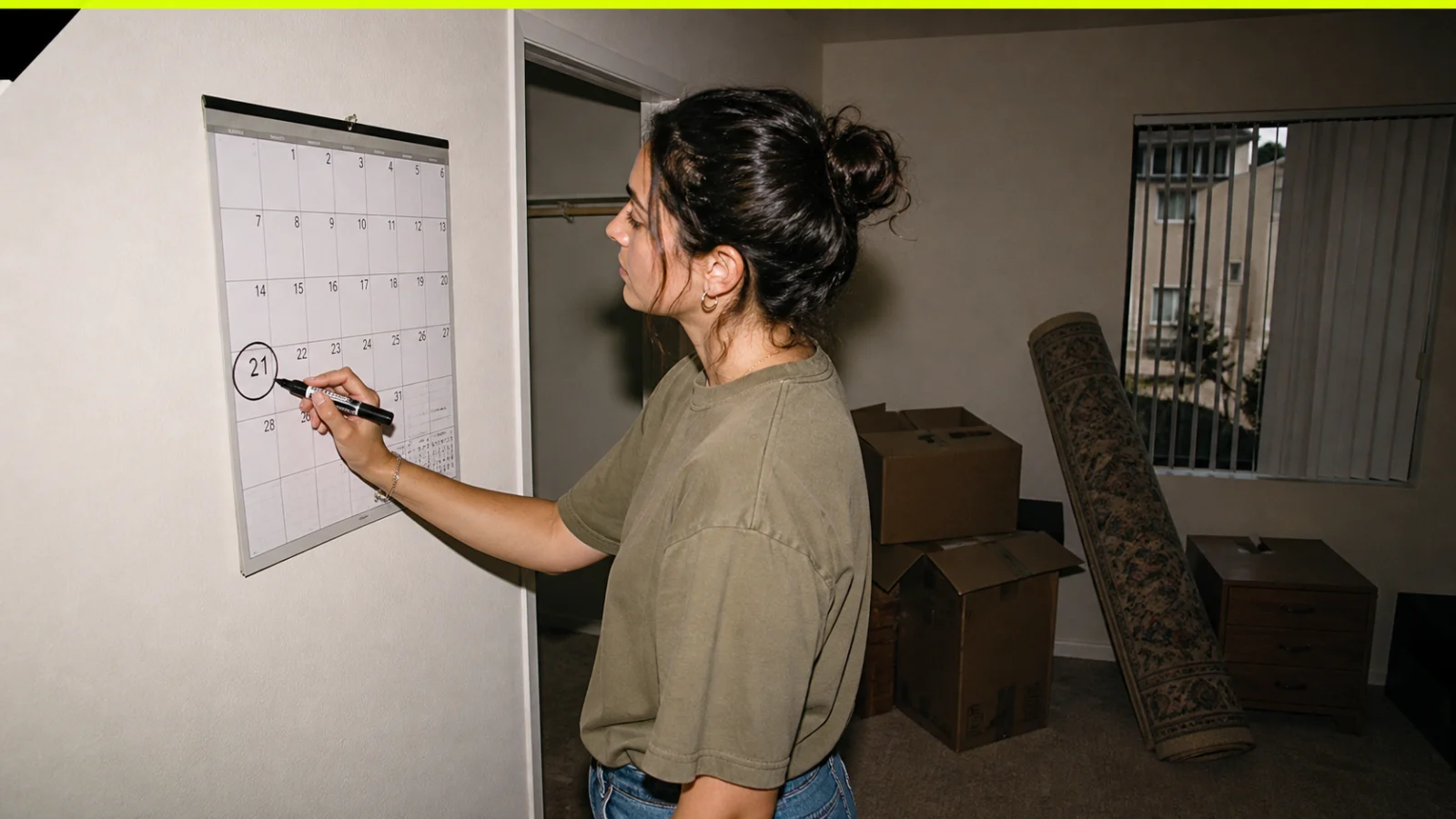
The multiple-tenant rules change the return and delivery mechanics. They do not remove the 21-day timeline, itemization requirements, deduction limits, or documentation duties.
Build one group timeline and one deduction table, then preserve each tenant's delivery and allocation records. That gives the landlord accounting and roommate allocation two clear lanes.
Clear answers before your next step.
Can the landlord send the entire refund to one roommate?+
Yes when the landlord and all adult tenants sign a written agreement specifying that arrangement. Without it, the default generally uses a check payable to all adult tenants on the rental agreement.
Can roommates receive different percentages?+
Yes. A mutual written agreement can state allocation percentages and the delivery method for each tenant's share.
Does every roommate receive the itemized statement?+
By default the statement may be delivered to one adult tenant chosen by the landlord. A written agreement can specify email or mailing delivery for each adult tenant.
Official sources used for this guide
This article provides general self-help information for California renters. It is not legal advice, does not create an attorney-client relationship, and does not predict the outcome of a dispute. Rules and local protections can change.