A California security deposit should not be used to make a tenant pay for preexisting defects, ordinary wear, or ownership maintenance merely postponed until move-out. A landlord may claim a reasonably necessary amount for tenant-caused damage beyond wear, so the key audit separates the property's age and repair history from any new damage. Maintenance requests, inspection records, photographs, and invoice scope are central.
Deferred maintenance and tenant damage can overlap
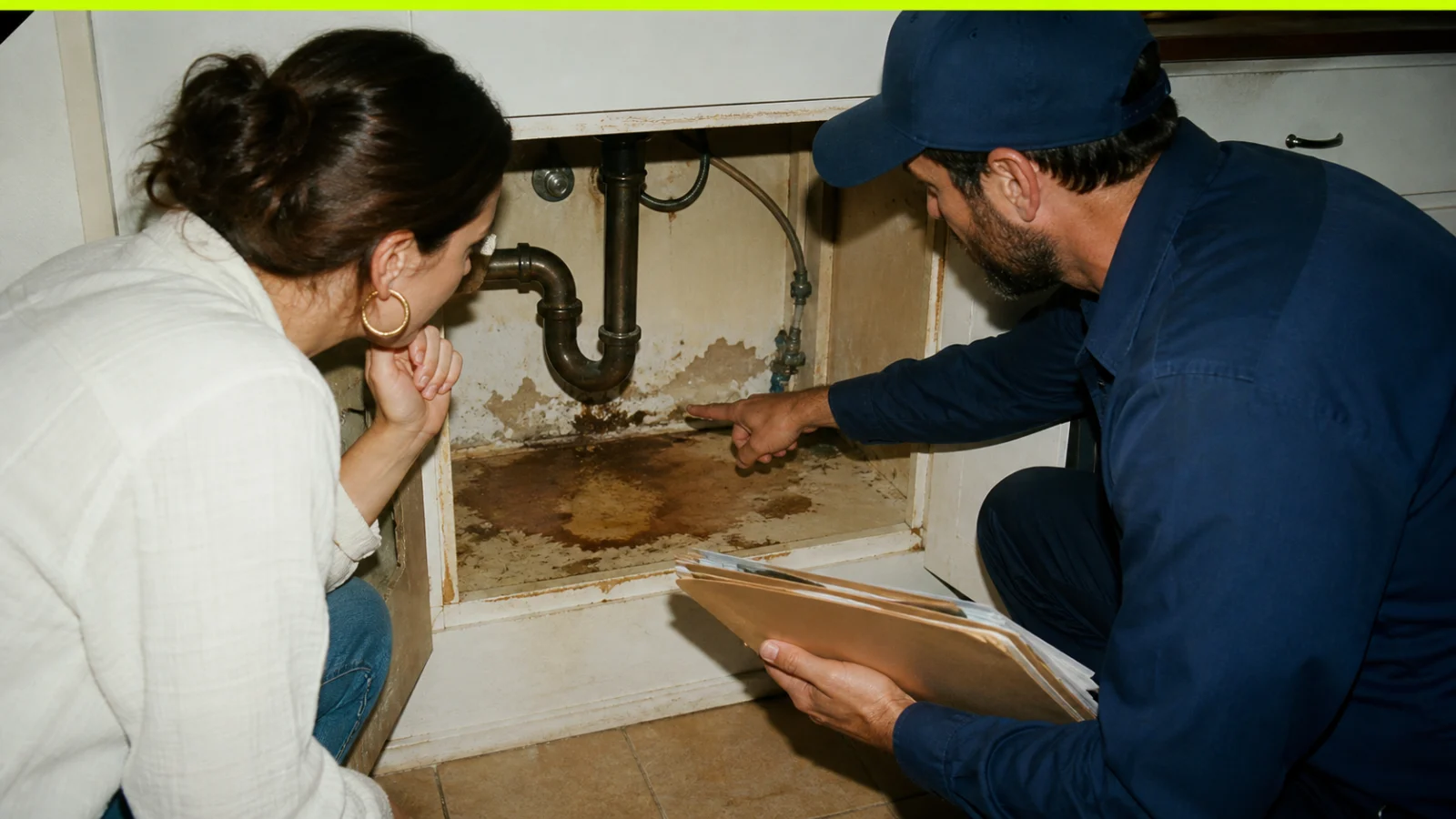
A worn seal, aging paint, corroded fixture, slow leak, failing appliance, or deteriorated flooring may reflect time, ordinary use, or an unresolved repair obligation. A sudden impact, misuse, or failure to report a worsening leak may present a different causation question.
Avoid broad labels. Break the condition into components: what existed, what was reported, what changed, what work was eventually performed, and which portion the landlord attributes to you.
Create a maintenance chronology
- Start with move-in condition and the apparent age of the component.
- List every repair request, inspection, access attempt, response, temporary fix, and contractor visit.
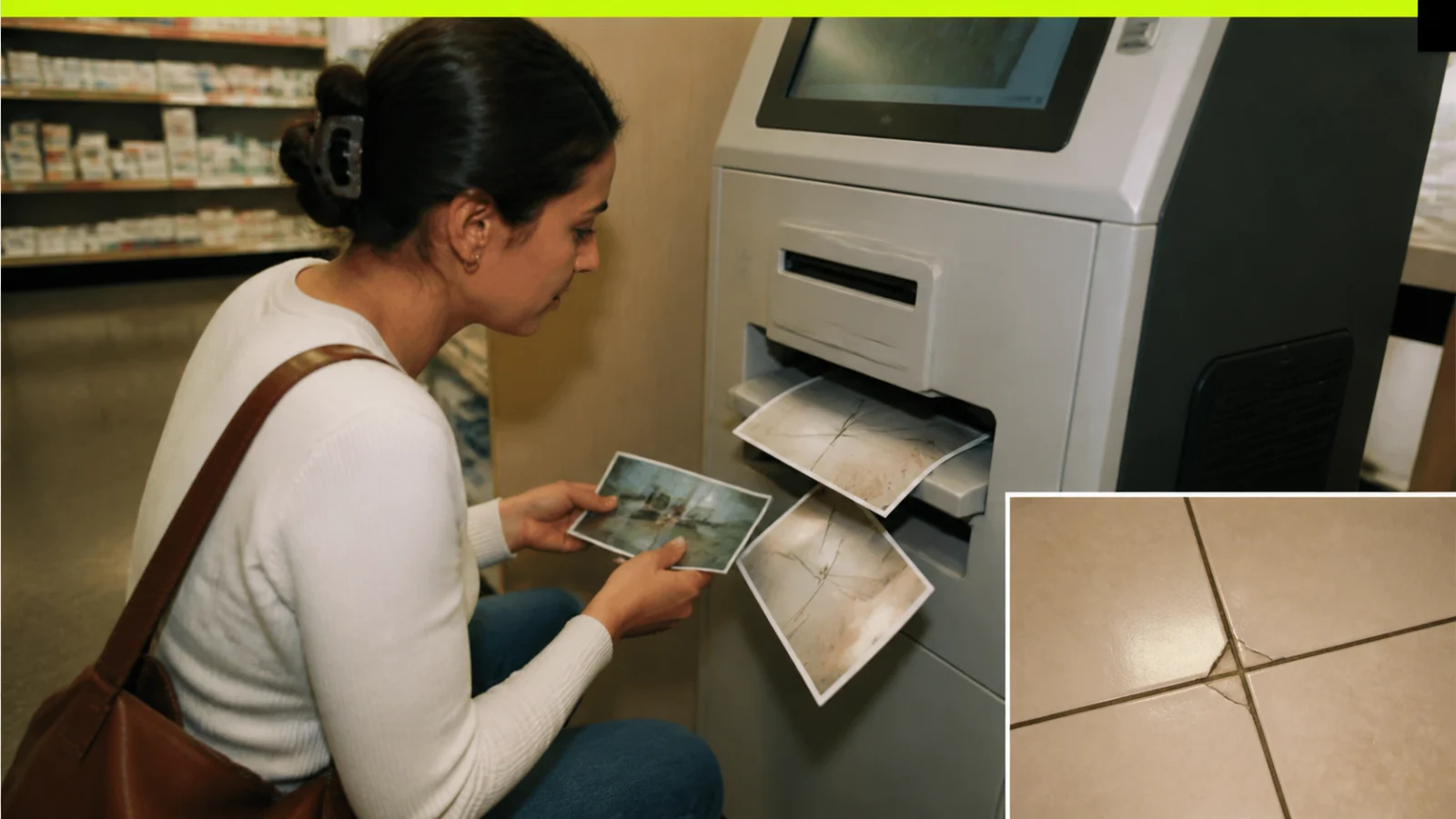
- Add dated photos showing progression rather than only the final condition.
- Record whether the issue affected habitability or risked additional damage and what steps you took to limit harm.
- Compare the eventual invoice with the specific work requested during the tenancy.
Audit what the invoice actually purchased
- Routine servicing or owner upkeep
- Repair of an old or defective component
- Remediation of damage allegedly caused by delayed reporting
- Replacement selected because repair parts were unavailable
- Improved materials, added features, or code upgrades
- Work in rooms or systems unrelated to the tenant's conduct
Compare the charge with section 1950.5
Section 1950.5 limits deposit use to authorized purposes and reasonably necessary amounts. It excludes preexisting conditions and ordinary wear, while allowing repair of tenant-caused damage beyond ordinary wear. That framework calls for evidence of baseline, causation, and reasonable restoration cost.
The statute's photograph requirements can add useful checkpoints for covered tenancies: inception condition, post-possession condition before claimed work, and condition after claimed repairs or cleaning. Missing or ambiguous photographs should be documented without assuming they automatically decide the dispute.
Write the dispute around causation
Identify the deduction, attach the maintenance chronology, quote the earlier repair request, and explain which invoice lines address old deterioration or owner upkeep. If you accept responsibility for a limited new issue, distinguish that issue and amount rather than disputing everything reflexively.
Habitability, retaliation, mold, or major water damage can involve rights beyond deposit accounting. Those facts warrant advice from a tenant lawyer or local enforcement resource; an evidence packet alone cannot determine legal responsibility or guarantee recovery.
Clear answers before your next step.
Is every old item automatically ordinary wear?+
No. Age and wear are relevant, but tenant-caused damage can occur to an old item. The claimed amount should isolate reasonable restoration attributable to that damage.
What if I repeatedly requested the repair?+
Those requests can help show notice, timing, and an unresolved condition. Preserve delivery proof, responses, access records, and photographs of progression.
Can a landlord charge me for damage caused by a leak?+
It depends on the source, notice, response, tenant conduct, and causation. Separate the failed building component from any additional damage allegedly linked to delayed reporting or misuse.
Official sources used for this guide
- California Civil Code § 1950.5
- California Courts security deposit guide
- California Attorney General security deposit guide
- California DRE 2026 tenant guide
This article provides general self-help information for California renters. It is not legal advice, does not create an attorney-client relationship, and does not predict the outcome of a dispute. Rules and local protections can change.