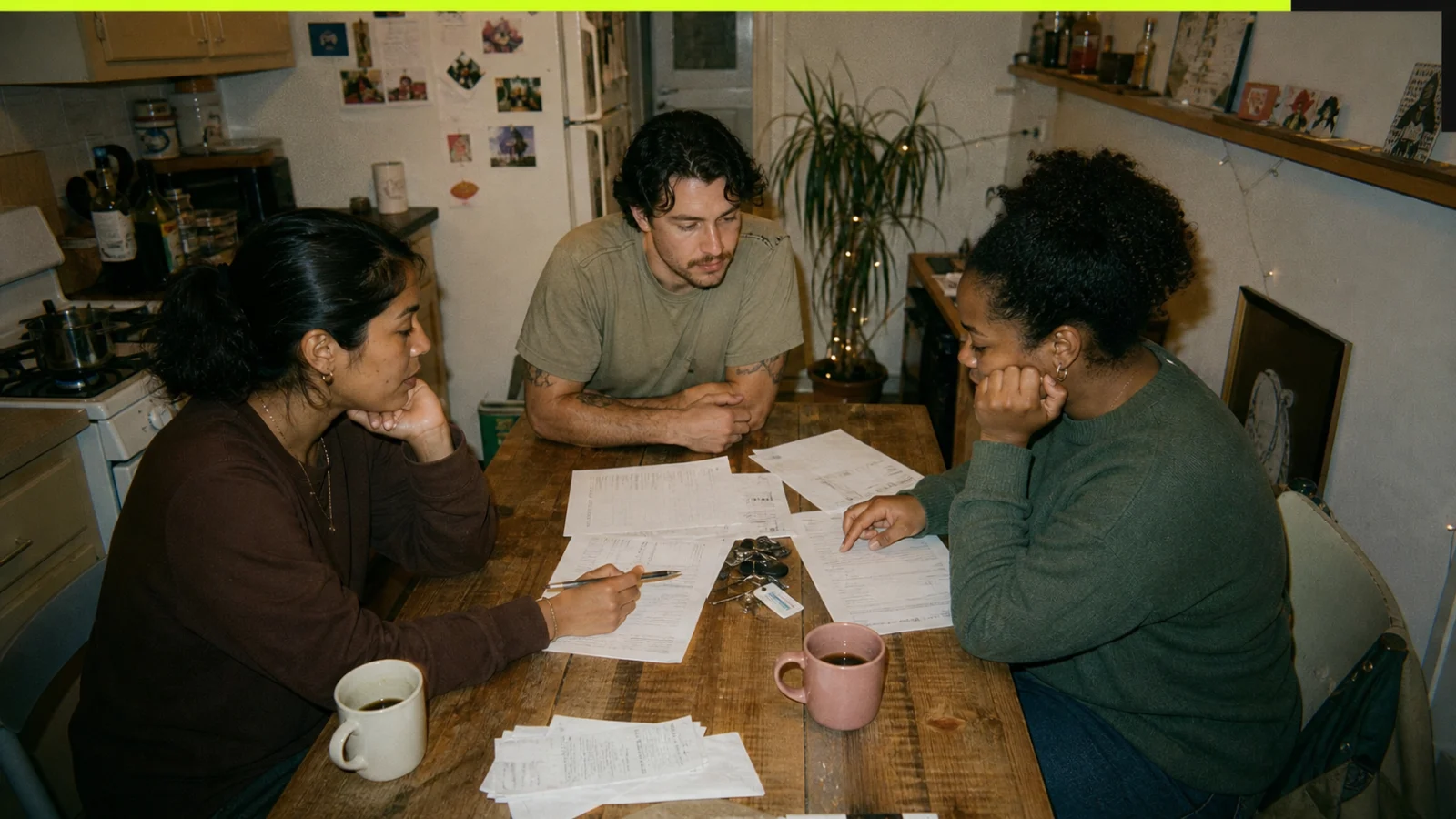
A master tenant cannot simply keep a subtenant's deposit because the money was paid person-to-person. California's DRE guide explains that an original tenant functions as landlord to a subtenant, and residential deposit duties may apply to that relationship. The master tenant may claim only supported, lawful amounts and should provide the required accounting and remainder; the exact rights depend on the sublease and facts.
Map the rental relationships first
A sublease is a separate agreement between the original tenant and subtenant while the original lease remains in force. The DRE guide states that the original tenant continues to owe duties to the owner and functions as landlord to the subtenant.
Roommate labels can hide different structures. Identify who selected the occupant, who received rent and deposit, whose name appears on the owner lease, whether the owner accepted a direct tenancy, and what each written agreement says.
Prove the deposit and its holder
- Collect the sublease, roommate agreement, advertisement, and deposit messages.
- Trace the payment through a receipt, canceled check, bank transfer, payment-app record, or credible acknowledgment.
- Record the room or premises covered, move-in date, possession-return date, and key handoff.
- Identify whether any amount was transferred to the owner or retained by the master tenant.
- Preserve communications about refund timing, deductions, replacement occupants, and shared bills.
Audit deductions at the correct level
- Unpaid rent owed under the sublease, with all payments credited
- Damage beyond ordinary wear caused by the subtenant or their guest
- Cleaning reasonably necessary to restore the relevant move-in cleanliness
- Personal property obligations actually included in the sublease
- Shared-area charges allocated by evidence rather than assumption
- Owner deductions passed through only when tied to the subtenant's responsibility
Do not confuse the owner's accounting with the subtenant's
The owner may hold a deposit under the original lease while the master tenant separately holds the subtenant's deposit. The owner's later deduction does not automatically establish that the subtenant caused it, and the master's obligation to account should not be postponed indefinitely merely because the original tenancy continues.
Build two ledgers if necessary: owner versus original tenant, and master tenant versus subtenant. Show transfers and credits between them so that no damage, rent, or deposit amount is counted twice.
Demand a written accounting from the person who received the money
State the deposit paid, move-out date, amount returned, deductions claimed, and balance requested. Ask for the itemized basis, photographs, receipts or invoices, and proof of any amount allegedly paid to the owner. Preserve delivery evidence.
If the relationship is disputed, the amount is substantial, local rent rules apply, or multiple roommates claim the same funds, consult a tenant lawyer, legal-aid provider, or small claims advisor. The landlord-like role is important, but this article cannot determine party status or promise a refund.
Clear answers before your next step.
Does section 1950.5 apply when the deposit was paid to a master tenant?+
It may apply because the original tenant functions as landlord to the subtenant, but classification can depend on the agreement and facts. Get advice if the relationship is contested.
Can the master tenant wait until the whole apartment lease ends?+
Do not assume so. The subtenancy's end and return of possession may trigger a separate accounting issue even if the original tenant remains. The agreements and circumstances should be reviewed.
What if I paid the deposit in cash without a receipt?+
Other credible evidence may prove payment, including messages, withdrawals, witnesses, later acknowledgments, and consistent conduct. Preserve all available records.
Official sources used for this guide
- California DRE 2026 tenant guide
- California Civil Code § 1950.5
- California Courts security deposit guide
- California Courts, ask for the money
This article provides general self-help information for California renters. It is not legal advice, does not create an attorney-client relationship, and does not predict the outcome of a dispute. Rules and local protections can change.