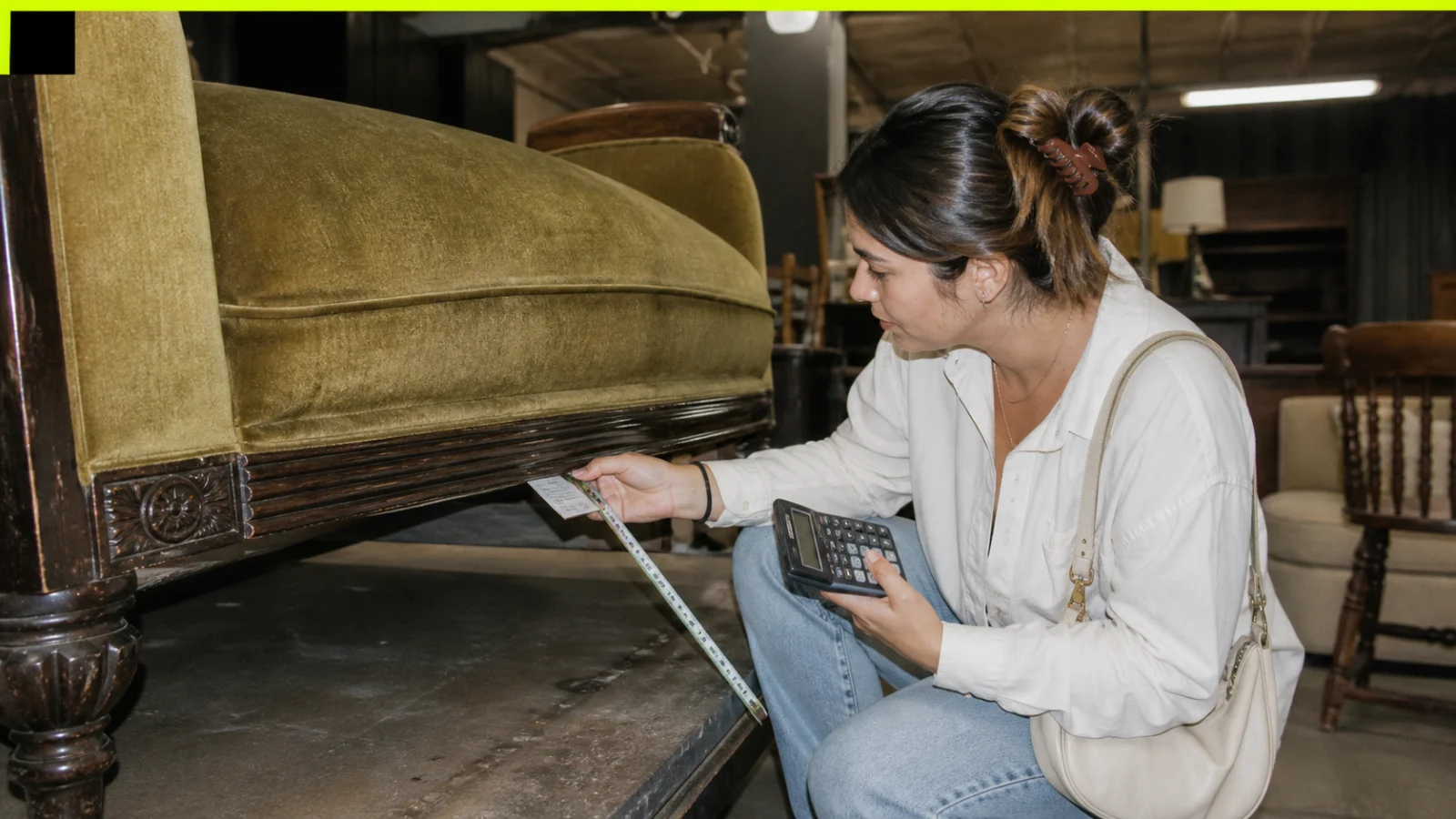
A California landlord is not automatically required to choose the cheapest repair, but a deposit claim for work, materials, or supplies is limited to a reasonable amount necessary to restore the premises to its move-in condition, excluding ordinary wear. Audit a replacement by asking whether the tenant-caused condition required work, whether a reliable repair was feasible, what portion needed replacement, and whether the invoice, photographs, age, and prior condition support the scope and amount charged.
Separate responsibility from the remedy chosen
Even if a tenant caused a condition beyond ordinary wear, it does not follow automatically that full replacement was reasonably necessary. Responsibility for a scratch, broken component, or stain is one question; the appropriate restoration method and amount are separate questions.
The reverse is also true: a low-cost cosmetic fix may not be reasonable if it would not safely or durably restore the item. The audit should test evidence, not assume repair always wins.
Create a repair-versus-replace comparison
- Define the exact condition attributed to the tenant.
- Document the item's move-in age, quality, and existing wear.
- Identify plausible repair methods and obtain written pricing when feasible.
- Record why the landlord or contractor says repair was unsafe, unavailable, or inadequate.
- Compare the charged replacement with the item and area actually affected.
- Calculate the disputed difference without ignoring any supported work.
Test whether the scope matches the condition
A localized countertop chip, one cabinet door, or one section of flooring may lead to a wider project because of matching, discontinued materials, structural integration, or warranty requirements. Ask for the reason and supporting records rather than assuming the wider scope is either valid or invalid.
Compare pre-work and post-work photographs with measurements, the contractor scope, materials quantities, and invoice lines. If the invoice covers several rooms or units, request an allocation to the rental and condition at issue.
- Affected dimensions and location
- Repair option and quoted cost
- Replacement option and charged cost
- Matching or availability evidence
- Age and condition of replaced material
- Upgrade or unrelated-work adjustments
Look for restoration, not improvement
Section 1950.5 frames the recoverable amount around reasonable restoration to the condition at the start of the tenancy, excluding ordinary wear. A new premium fixture replacing an older basic fixture, or whole-unit work replacing one affected section, can raise a betterment or allocation question.
Do not treat every new item as an improper upgrade. Sometimes comparable products are no longer sold or broader work is needed for a sound result. Preserve bids, product specifications, contractor notes, and communications that explain the choice.
Respond with alternatives and amounts
A strong response identifies the charged amount, the condition accepted or disputed, the repair evidence, and the exact unsupported portion. If you rely on a repair quote, confirm that it addresses the same materials, dimensions, labor, and date as the landlord's project.
Repair-versus-replace disputes are fact-sensitive. A quote or internet lifespan chart may support a question but does not determine what a landlord, mediator, or court must accept.
Clear answers before your next step.
Must a California landlord always repair instead of replace?+
No universal rule requires repair whenever it is cheaper. The issue is whether the chosen work and amount were reasonably necessary to restore the starting condition, excluding ordinary wear.
Does one repair quote defeat a replacement charge?+
Not automatically. Check whether the quote covers the same condition, quality, dimensions, labor, durability, and timing. The landlord may present evidence that repair was not feasible or adequate.
What evidence best explains a full replacement?+
Before-work photos, measurements, contractor findings, repair attempts or quotes, product availability records, the final invoice, and after-work photos can connect the condition to the chosen scope.
Official sources used for this guide
- California Civil Code § 1950.5
- California Courts security deposit guide
- California Attorney General security deposit alert
This article provides general self-help information for California renters. It is not legal advice, does not create an attorney-client relationship, and does not predict the outcome of a dispute. Rules and local protections can change.