An eviction does not automatically forfeit a California residential security deposit. After the tenancy ends, the landlord must account for the deposit under Civil Code section 1950.5 and may apply it only to lawful, supported amounts such as unpaid rent and qualifying damage.
Find the actual tenancy-end date
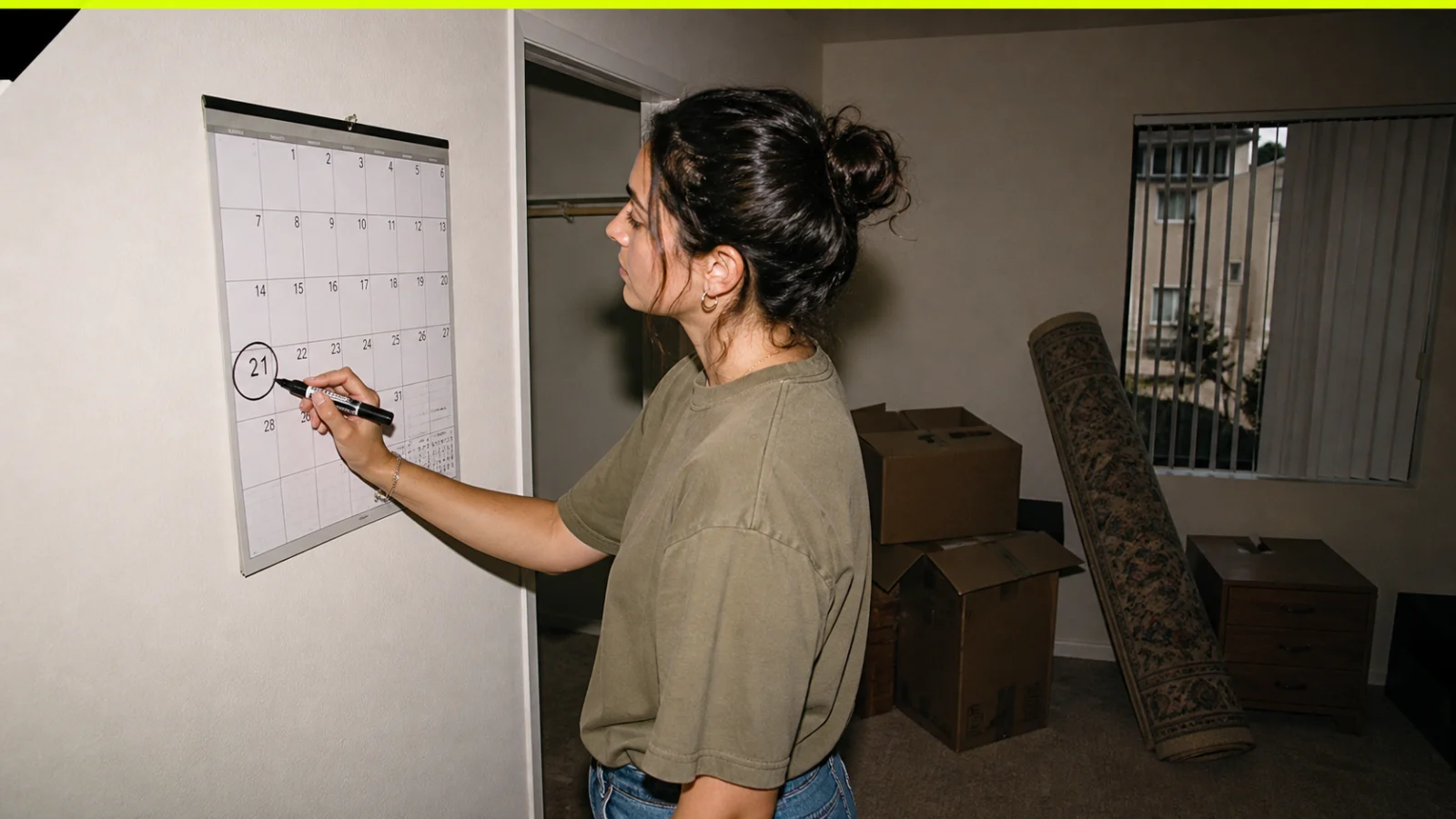
An eviction timeline can include a notice, court filing, judgment, lockout, surrender, and key return. The date relevant to deposit accounting may require legal analysis, so preserve every document instead of choosing the date that feels most obvious.
Keep the court case and deposit accounting distinct
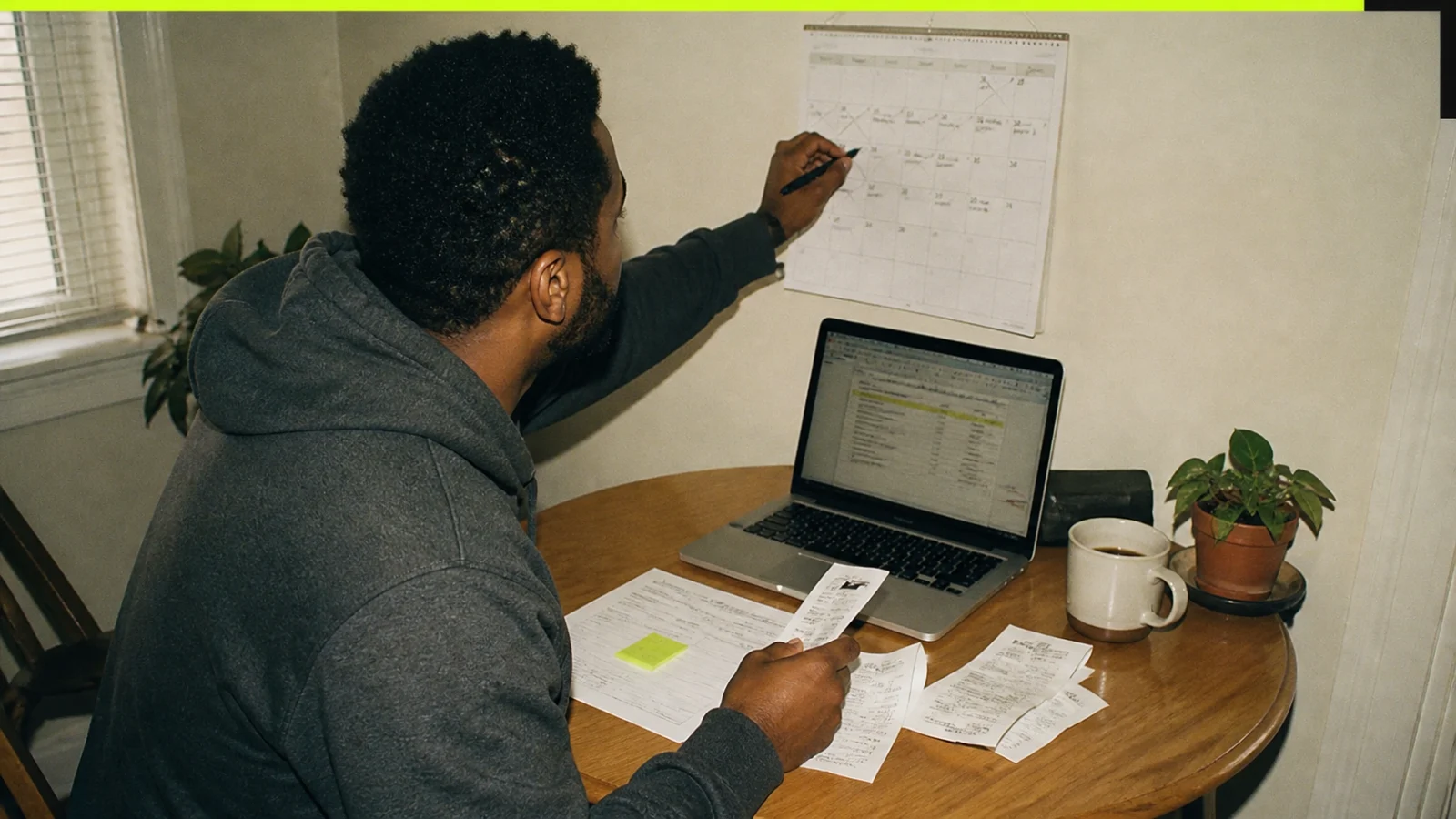
A judgment, rent balance, or possession order may affect the numbers, but it does not replace a readable deposit accounting. Match any claimed rent or damage to the judgment, ledger, photos, invoices, and credits, and watch for double counting.
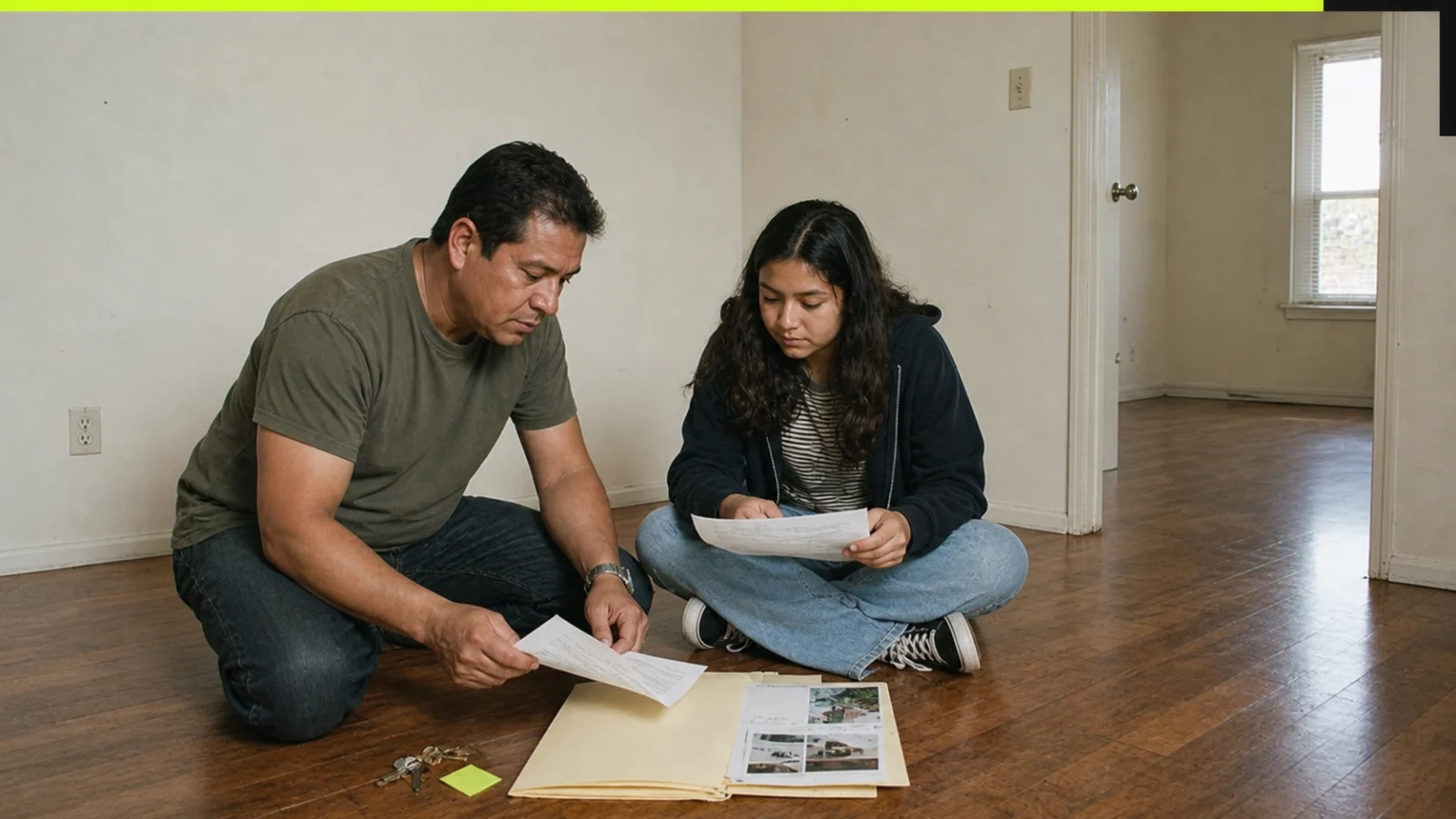
Build one post-eviction packet
- Lease and deposit receipt
- Notices, complaint, judgment, and possession documents
- Move-out, lockout, or key-return evidence
- Rent ledger and payment proof
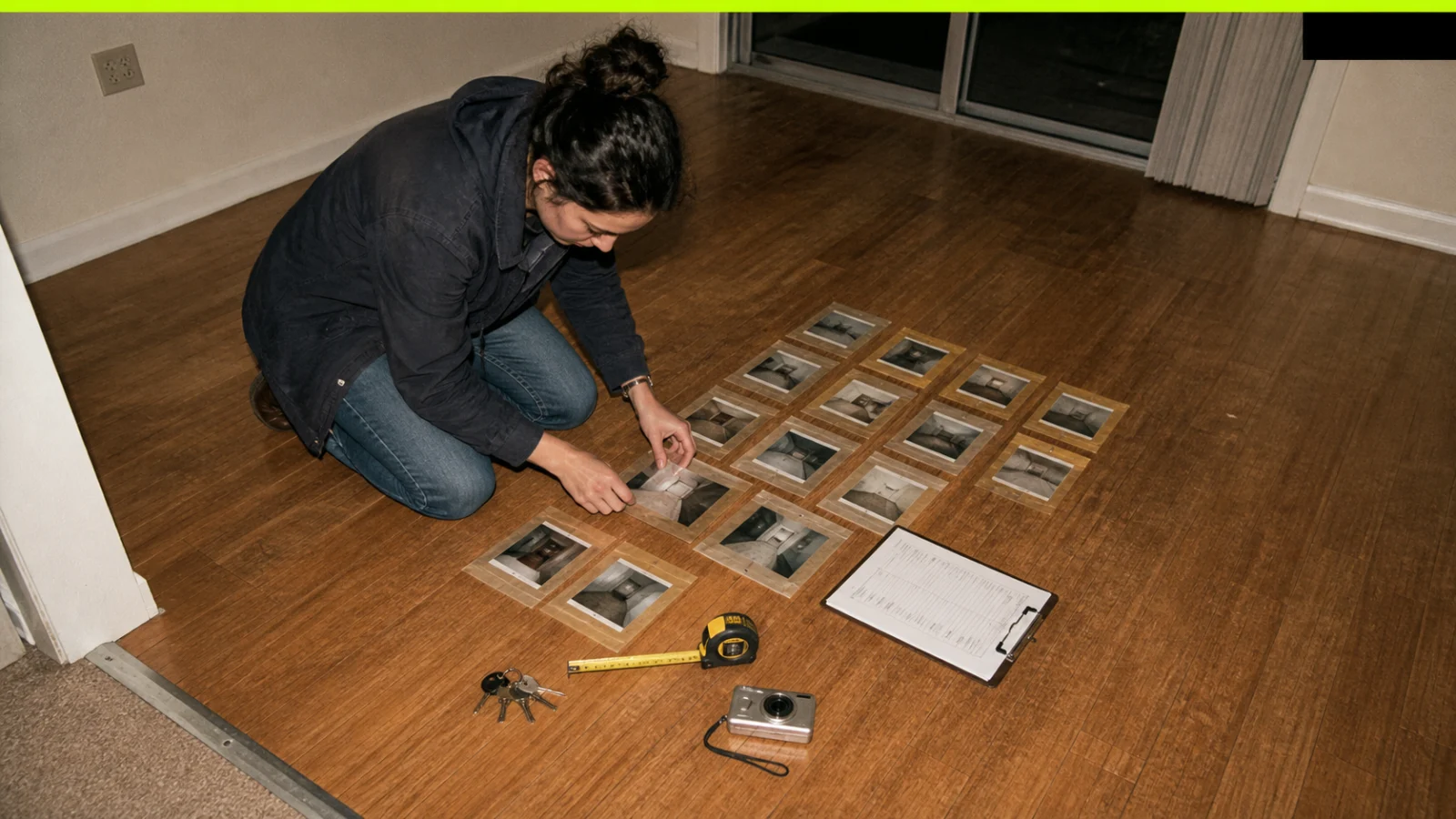
- Condition photographs and invoices
- Deposit refund and itemized statement
- Prior payments, collections, or judgment credits
Get legal help before making assumptions
Eviction records can involve deadlines, sealed records, judgments, and collection consequences beyond the deposit. Use a court self-help center or lawyer for the legal effect of those documents. RentClaw can organize the deposit evidence but is not an eviction-defense service.
Clear answers before your next step.
Do I lose the deposit automatically after eviction?+
No. The landlord must still apply and account for residential security under California law.
Can unpaid rent be deducted?+
Generally yes, when the amount is lawful and supported, subject to applicable exceptions and credits.
When does the 21-day period begin after an eviction?+
It runs from termination of the tenancy, but identifying that date in an eviction timeline can require legal analysis.
Official sources used for this guide
- California Civil Code § 1950.5
- California Courts security deposit guide
- California Attorney General security deposit guide
This article provides general self-help information for California renters. It is not legal advice, does not create an attorney-client relationship, and does not predict the outcome of a dispute. Rules and local protections can change.