Not automatically. California Civil Code section 1950.5 does not name unpaid utilities as a standalone deposit-deduction category. A landlord claiming them should identify the lease obligation and legal basis, show the tenant's share, billing method, service period, and unpaid balance, and explain whether the amount is being treated as rent or another permitted deposit use. Local utility-billing rules may also matter.
Do not assume every lease debt is a deposit deduction
Section 1950.5 defines security broadly but limits claims to amounts reasonably necessary for purposes specified in the statute, including a tenant's default in paying rent. Utilities are not named there as a separate standalone category. That creates a classification question when a landlord subtracts water, gas, electricity, trash service, internet, or another bill.
The correct analysis may depend on the lease language, the type of service, who held the account, whether the charge was lawfully allocated, and whether the landlord claims the amount is rent. Do not state that calling utilities additional rent automatically makes the deduction valid; the label, agreement, billing law, and facts all need review.
Identify the utility arrangement before reviewing the balance
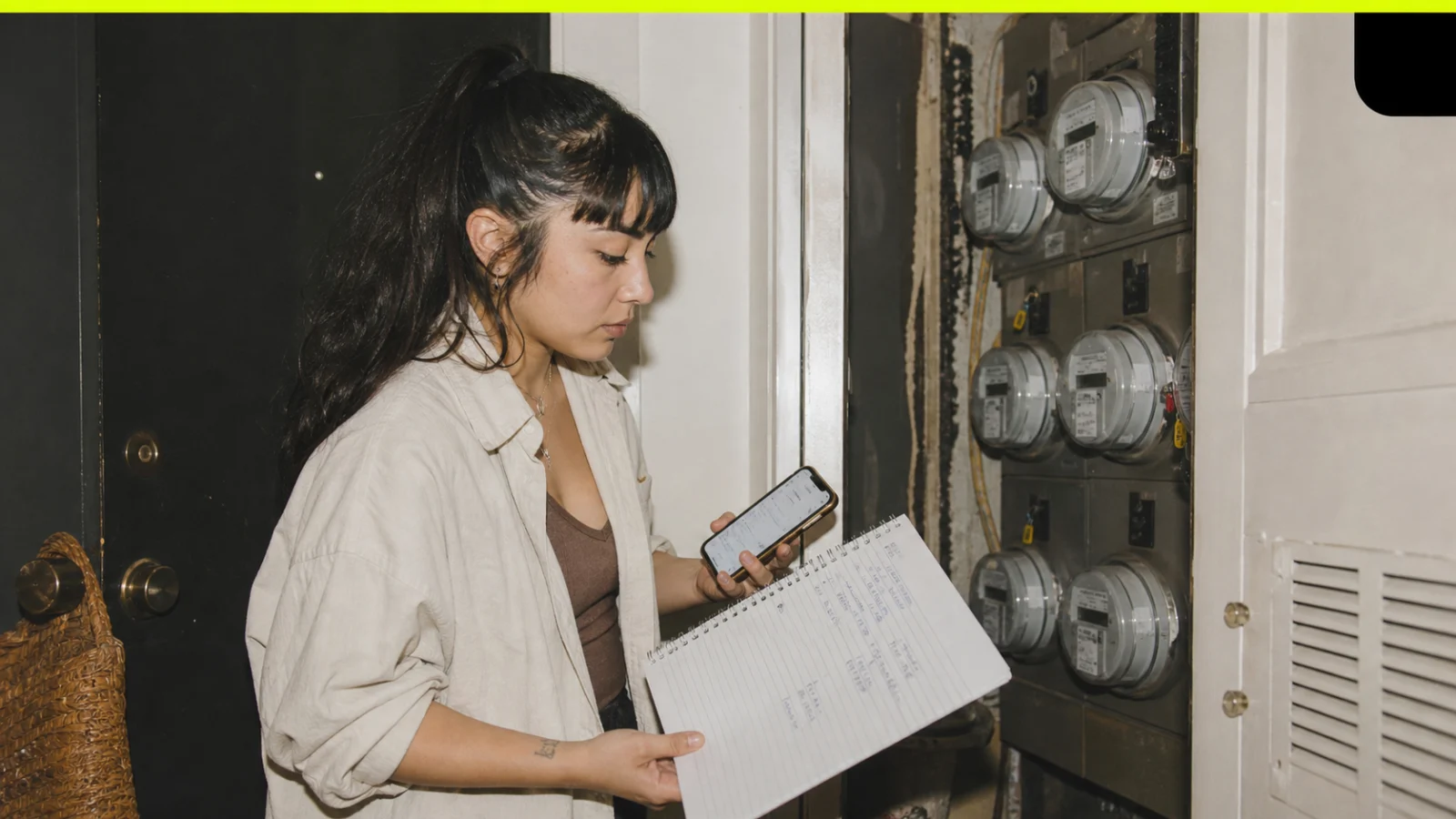
A tenant-held utility account is different from a landlord-billed master meter, a ratio utility billing system, a flat monthly utility charge, or utilities included in rent. Shared meters and local ordinances can add requirements beyond the deposit statute.
Collect the complete lease and addenda, provider bills, allocation worksheets, meter reads, notices, rent ledger, and payment records. Confirm the service address, billing dates, move-out date, and whether post-possession usage was included.
- Utility type and account holder
- Lease clause and any additional-rent language
- Direct meter, submeter, shared meter, ratio, or flat-fee method
- Service dates and move-in or move-out readings
- Payments, credits, deposits, adjustments, and prior balances
- Applicable city, county, or utility-program rules
Recalculate the balance independently
Start with provider or property-level charges for the relevant service period. Apply the agreed allocation method, then subtract payments, credits, and any utility deposit already held. Exclude dates after possession ended unless the agreement and facts support continuing responsibility.
Look for administrative fees, late fees, estimated reads, vacancy allocation, common-area usage, and duplicate charges already included in rent. Each component may require a different contractual or legal basis.
Run a utility deduction audit
- Copy the utility deduction, amount, and stated basis from the deposit accounting.
- Map the lease and addendum language to the exact utility and billing method.
- Reconcile bills, meter data, allocations, payments, credits, and service dates.
- Check whether local rules or a shared-meter arrangement affect the charge.
- Ask the landlord to identify the section 1950.5 category relied on and correct any unsupported component.
Escalate uncertain billing arrangements carefully
A concise dispute can say that the accounting does not identify whether the utility amount is claimed as rent or another permitted use, and request the lease clause, bills, allocation, and ledger. Avoid claiming the debt never existed if you have only challenged deposit use.
Shared utilities and local ordinances can be technically complex. Consider California legal aid, a tenant lawyer, or the relevant local agency when classification or allocation remains disputed. This audit does not guarantee a refund or eliminate a separately enforceable debt.
Clear answers before your next step.
Are unpaid utilities the same as unpaid rent?+
Not automatically. Review the lease wording, the billing arrangement, and applicable law. A landlord should explain the classification rather than relying only on an additional-rent label.
Can post-move-out utility use be charged?+
Check the possession date, final meter read, service transfer, and lease. Usage after the tenant's responsibility ended should not be included without a supported basis.
What if the building has one shared meter?+
Collect the shared-meter disclosure, allocation formula, property bill, occupancy data, and local rules. Shared billing can raise issues beyond the security-deposit statute.
Official sources used for this guide
- California Civil Code § 1950.5
- California Courts security deposit guide
- California Attorney General security deposit alert
- California Department of Real Estate tenant guide
This article provides general self-help information for California renters. It is not legal advice, does not create an attorney-client relationship, and does not predict the outcome of a dispute. Rules and local protections can change.