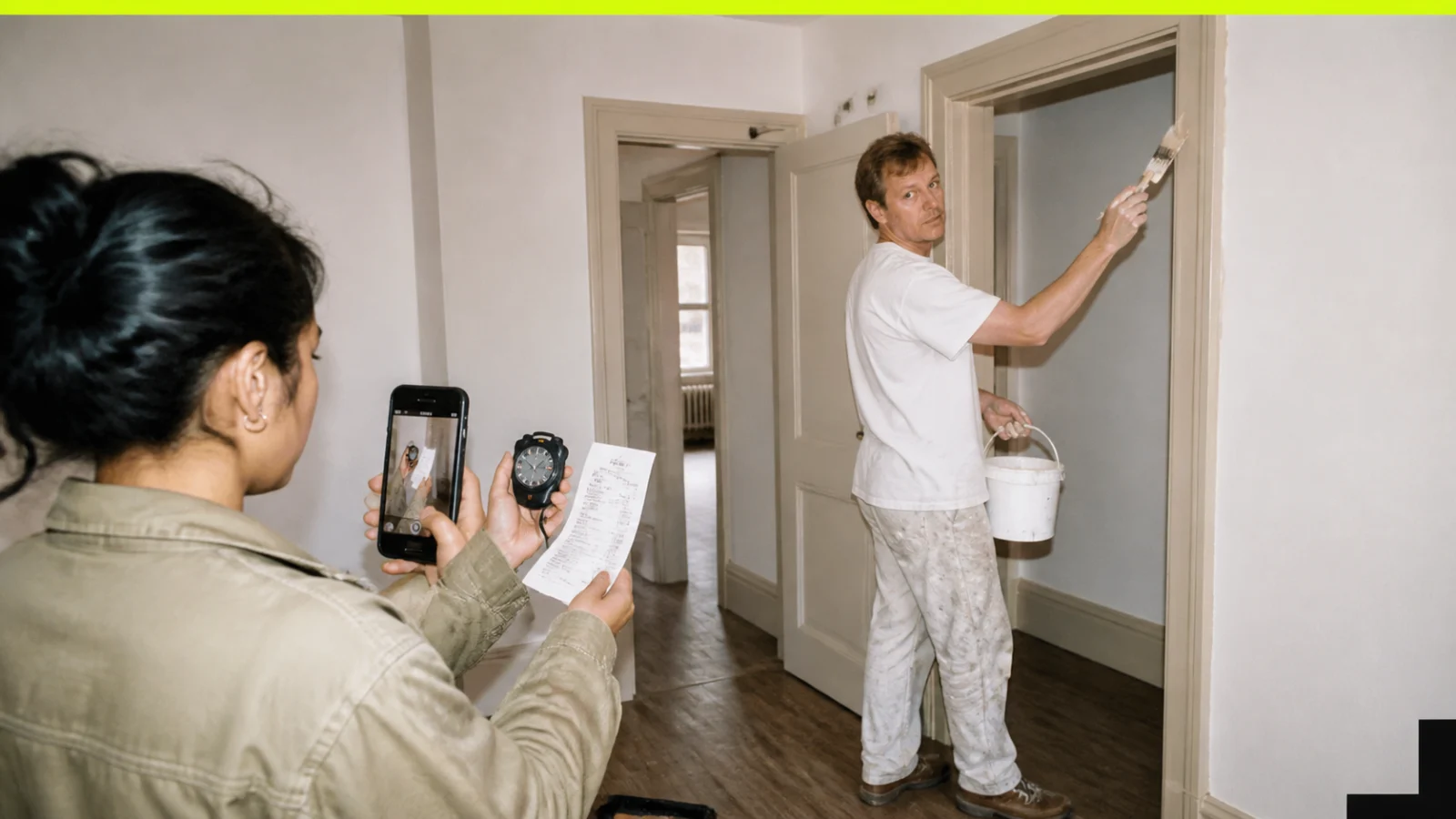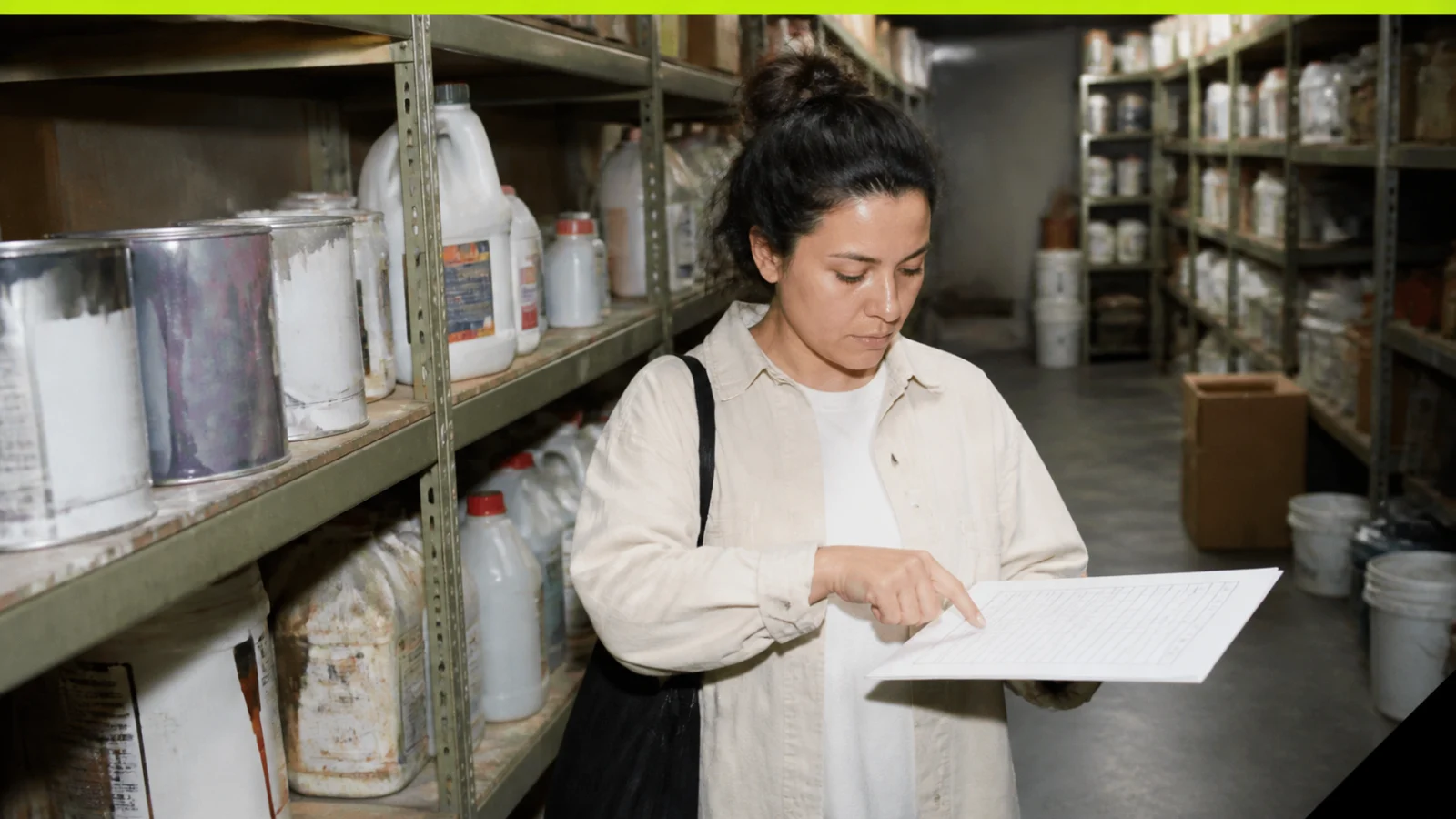
California allows a landlord to document materials or supplies with a bill, invoice, or receipt. For an item purchased on an ongoing basis, a vendor price list or other vendor document may be used if it reasonably documents the cost of the item used in the rental's repair or cleaning. A bulk purchase is not automatically chargeable in full: audit the quantity actually used, unit cost, allocation to the rental, repair necessity, leftover stock, and any duplicate inclusion in labor or contractor totals.
Bulk purchasing changes the allocation, not the underlying limit
A property manager may buy paint, filters, flooring, cleaning chemicals, fasteners, or other supplies for repeated use across units. Section 1950.5 accommodates ongoing purchases, but the vendor record should reasonably document the cost of the item used in the particular repair or cleaning.
The practical question is not merely what the landlord bought. It is what was used for deductible work at this rental and how the charged amount was calculated.
Convert the purchase into a unit-level calculation
- Identify the product, package size, total purchase price, tax, and discount.
- Calculate a unit cost using gallons, square feet, pieces, ounces, or another sensible measure.
- Document the quantity reportedly used at the rental.
- Multiply unit cost by quantity used and show rounding separately.
- Allocate shared delivery or fees only with a stated, supportable method.
- Subtract returns, rebates, credits, and quantities retained for future work where applicable.
Match quantity to repair scope
Use measurements and photographs to test whether the quantity makes sense. Square footage can help with flooring or wall paint; fixture counts can help with hardware; a task log can help with consumable cleaning supplies.
Allow for ordinary waste, required coats, minimum package sizes, and unusable remnants where supported. Do not assume zero waste, but do not accept unexplained quantities that cover broader turnover or future inventory.
- Affected area and measured dimensions
- Coverage or yield stated by the manufacturer
- Number of coats, pieces, or applications
- Reasonable waste or minimum-purchase explanation
- Remaining stock, return, or later use
Check the document trail and duplication
Keep the vendor receipt or price list, the landlord's allocation, contractor invoice, labor detail, and repair photographs together. If a contractor's invoice already includes materials, a second landlord supply line may be a duplicate unless it covers a distinct item.
Also separate durable tools and general business equipment from materials consumed in the repair. The statute speaks to materials or supplies used in repair or cleaning; charging the full purchase of reusable equipment can raise a different reasonableness question.
Dispute the unsupported portion, not the existence of bulk buying
State the total charge, supported unit cost, supported quantity, and difference requested. Ask for the vendor document or allocation if it is missing. This keeps the issue mathematical and tied to the work.
California law does not prescribe one allocation method for every bulk supply. A documented method can still be contested, and a different method may also be reasonable depending on the facts.
Clear answers before your next step.
Can a landlord use a vendor price list instead of a receipt?+
For an item purchased on an ongoing basis, the statute permits a vendor price list or other vendor document that reasonably documents the cost of the item used.
Can the full paint can be charged if only part was used?+
Not automatically. Review the quantity used, package minimum, reasonable waste, leftover usability, and whether the amount reflects the material reasonably necessary for the deductible work.
Can reusable tools be charged as supplies?+
A full tool charge may raise a reasonableness and allocation question because reusable equipment can benefit later work. Ask how the item was used and why that amount is attributed to your rental.
Official sources used for this guide
- California Civil Code § 1950.5
- California Courts security deposit guide
- California DRE 2026 tenant guide
This article provides general self-help information for California renters. It is not legal advice, does not create an attorney-client relationship, and does not predict the outcome of a dispute. Rules and local protections can change.