A California landlord may seek a reasonably necessary appliance repair or replacement amount when a tenant or guest caused damage beyond ordinary wear, or when the lease authorizes deposit use to restore, replace, or return landlord property. Routine failure, preexisting defects, and ordinary aging should not be shifted to the tenant, and a full new-appliance price is not automatically justified.
Ownership and the lease come first
Confirm that the appliance belonged to the landlord and was included with the tenancy. Review the lease, appliance addendum, move-in inventory, and any agreement that the tenant would provide or maintain an item. Different facts apply when the tenant supplied the appliance.
Section 1950.5 addresses tenant-caused damage and also certain obligations to restore, replace, or return landlord personal property or appurtenances when deposit use is authorized by the rental agreement. A statement should identify which theory supports the charge.
Failure does not establish tenant causation
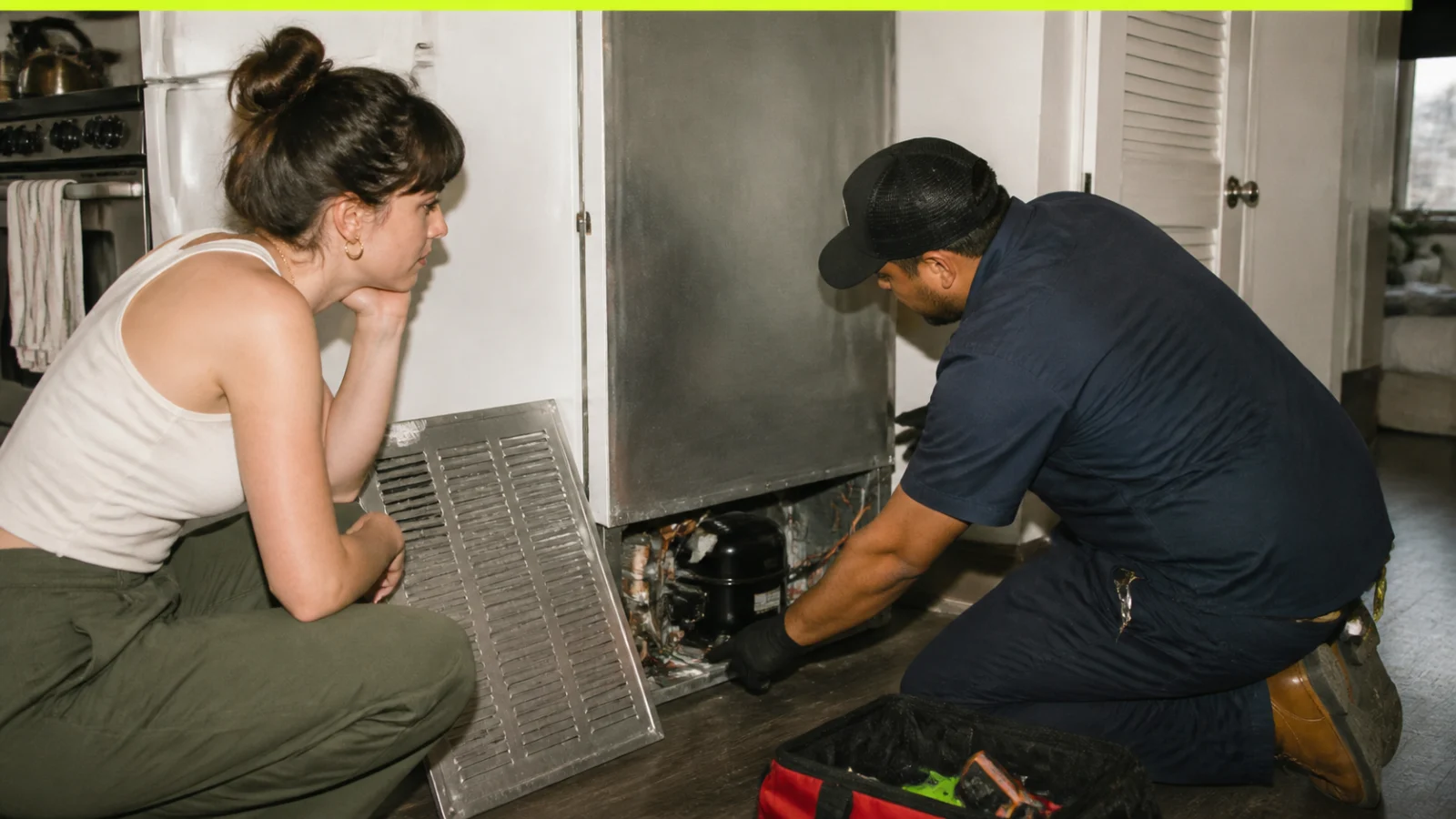
A refrigerator that stops cooling, a dishwasher pump that fails, or an oven control that breaks may reflect age, manufacturing failure, electrical problems, deferred maintenance, misuse, or a specific impact. The fact that failure appeared near move-out does not resolve cause.
Gather service requests, technician notes, error-code photos, prior repair history, and messages reporting the problem. A diagnosis connecting the failure to misuse can be important; a replacement receipt alone usually says little about why the appliance failed.
- Make, model, serial number, and approximate installation date
- Move-in function and cosmetic condition
- Maintenance and repair requests during the tenancy
- Technician diagnosis and recommended remedy
- Tenant instructions, lease obligations, and claimed misuse
Test repair, replacement, and upgrade as separate decisions
If a repair was available, ask why replacement was reasonably necessary. If parts were unavailable, the unit was unsafe, or repair approached replacement cost, the landlord may have a stronger explanation. The file should include the diagnosis or estimate supporting that choice.
Then compare the old and new items. Capacity, finish, efficiency, brand, delivery, installation, disposal, and unrelated modifications can reveal whether the invoice includes an improvement beyond restoration. Age is relevant context, but no generic internet lifespan automatically determines the lawful amount.
Run an appliance replacement audit
- Identify the appliance and lease provision relied on.
- Create a timeline from move-in function through each repair request and final diagnosis.
- Separate cosmetic condition, mechanical failure, and alleged misuse.
- Compare repair estimates with the replacement model and full invoice.
- Challenge only the unsupported links: cause, necessity, scope, price, or allocation.
Use qualified language in the dispute
State that the current record does not establish a particular link rather than declaring the charge unlawful without reviewing the lease and evidence. Request the technician report, age information, prior repair records, or itemized invoice that would answer the question.
No checklist can guarantee how an appliance dispute will be resolved. Technical evidence, witness credibility, and the rental agreement may materially affect the result.
Clear answers before your next step.
Can a landlord charge for a refrigerator that stopped working?+
Only the failure itself is not enough to answer. Review whether the refrigerator was landlord-provided, what caused the failure, whether it was ordinary aging, and what repair or replacement was necessary.
Can the landlord buy a more expensive replacement?+
A deposit claim should be tied to reasonable restoration, not an unrelated upgrade. Compare the old and new specifications and ask the landlord to allocate any improvement beyond the supported remedy.
What if no technician inspected the appliance?+
The landlord may rely on other evidence, but the absence of a diagnosis can leave causation and repairability less clear. Request all photos, messages, estimates, and reasons for replacement.
Official sources used for this guide
- California Civil Code § 1950.5
- California Courts security deposit guide
- California Attorney General security deposit alert
- California Department of Real Estate tenant guide
This article provides general self-help information for California renters. It is not legal advice, does not create an attorney-client relationship, and does not predict the outcome of a dispute. Rules and local protections can change.