A California landlord may be able to deduct a reasonably necessary cost to replace unreturned landlord keys or garage remotes, or to address a supported security risk, when the rental agreement authorizes deposit use for restoring, replacing, or returning that property. The charge should reflect what was issued, what was returned, why rekeying or replacement was necessary, and the actual reasonable cost.
Count what was issued and what was returned
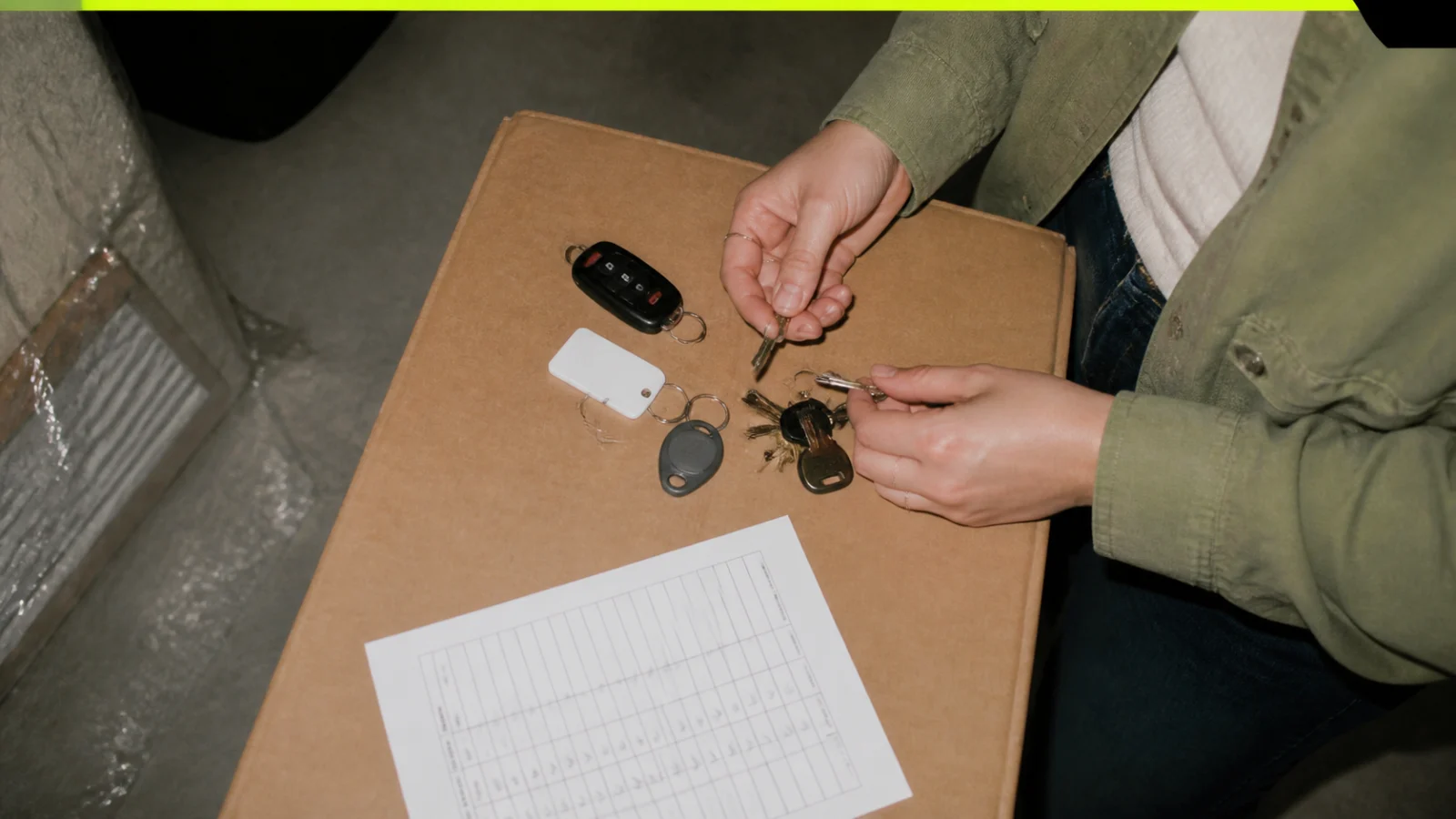
Begin with the move-in key receipt, inventory, lease, and any later replacement records. Separate front-door keys, mailbox keys, building fobs, parking credentials, gate transmitters, and garage remotes. Then document the move-out handoff with a signed receipt, dated photo, or written confirmation.
Section 1950.5 can cover certain defaults in an obligation to restore, replace, or return landlord property or appurtenances when the rental agreement authorizes deposit use. That makes the inventory and lease more important than a generic replacement-key policy.
A missing key and a full lock change are different charges
Replacing one ordinary key is not the same as rekeying a lock, changing several locks, replacing a smart lock, or reprogramming an entire building system. A landlord may cite security, key-control, master-key, HOA, or manufacturer requirements. Ask for the specific reason and supporting record.
A lost key linked to an identifiable address may create a different risk from a worn key that was returned. At the same time, routine turnover rekeying that would have occurred regardless of the missing item can raise a causation question.
- Number and type of access items issued
- Number, condition, and date returned
- Whether the lost item identified the property
- Locksmith, HOA, or access-system requirement
- Replacement, rekeying, programming, and service-call components
Garage remote prices need item-level support
A garage remote charge should identify the compatible model, programming work, quantity, tax, and any service fee. If a lower-cost compatible remote existed, that can be a fair question, but do not assume compatibility or security requirements without evidence.
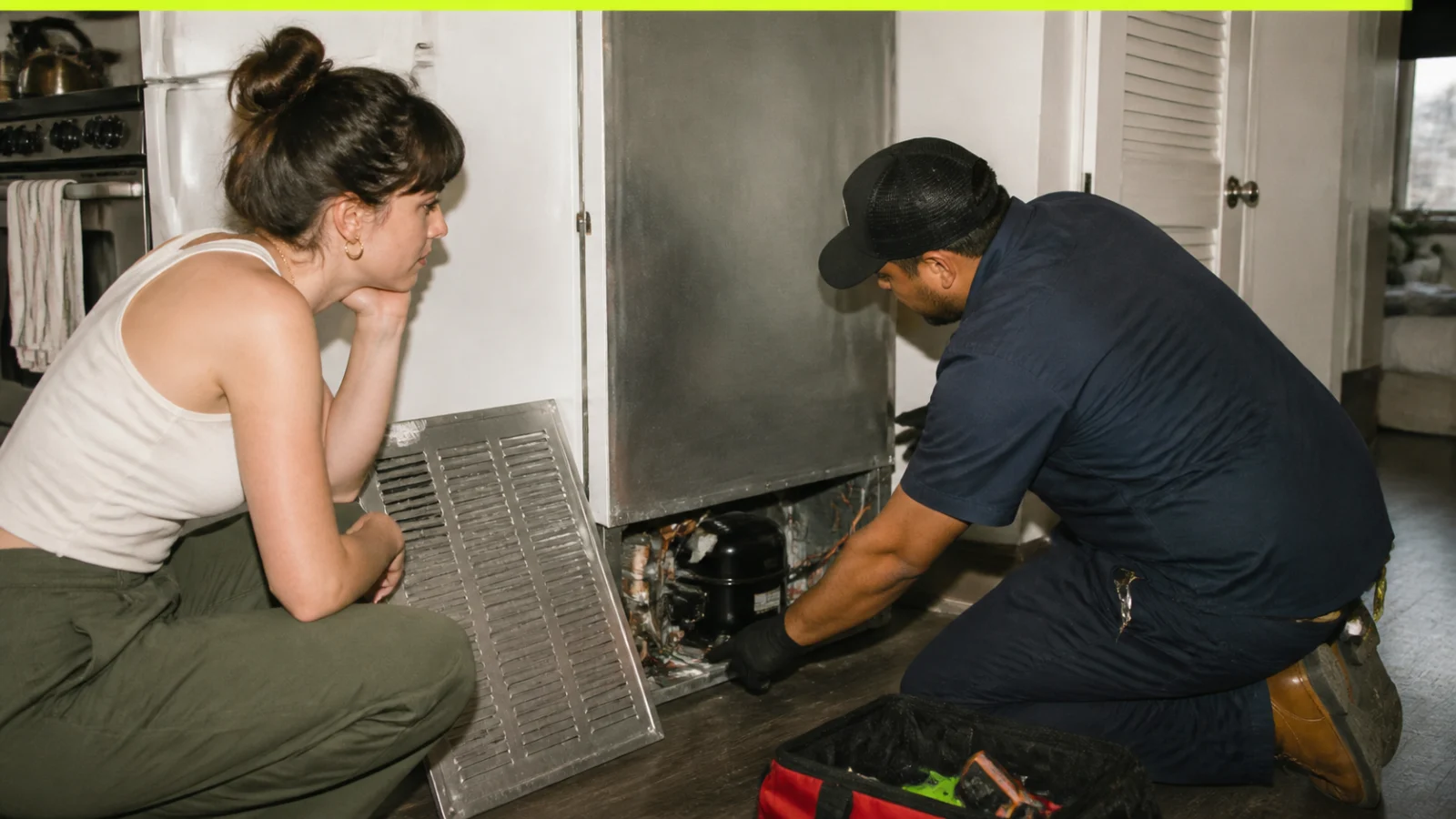
For a damaged rather than missing remote, compare the starting condition and failure cause. Battery depletion, ordinary button wear, impact damage, water damage, and loss create different records.
Audit keys, locks, and remotes line by line
- Create an issued-versus-returned table for every access item.
- Attach the lease, key receipt, replacement history, and move-out handoff proof.
- Ask why each lock, cylinder, fob, or system action was necessary.
- Match invoices and model numbers to the work and items claimed.
- Remove duplicates, routine turnover work, and unsupported upgrades from the disputed total.
Dispute scope, not genuine security needs
If an item was lost, acknowledge that fact while asking whether the claimed response and price were necessary. A narrow dispute over an extra lock, duplicate programming fee, or unsupported system upgrade can be more credible than denying the entire charge.
Security decisions can be fact-sensitive. The audit helps evaluate the charge but does not ensure a particular legal result.
Clear answers before your next step.
Can a landlord charge to rekey locks after a lost key?+
Potentially, when rekeying was a reasonably necessary response to the missing key and the deposit may be used under the rental agreement. Ask for the reason, affected locks, and locksmith invoice.
Can a landlord charge a fixed garage-remote fee?+
A lease amount does not end the review. Compare the item issued, return status, compatible replacement, programming work, and actual reasonable cost.
What proves that keys were returned?+
A signed receipt, email or text acknowledgment, tracked handoff, or dated photo with an item count can help. Preserve the original record and names of anyone present.
Official sources used for this guide
- California Civil Code § 1950.5
- California Courts security deposit guide
- California Attorney General security deposit alert
- California Department of Real Estate tenant guide
This article provides general self-help information for California renters. It is not legal advice, does not create an attorney-client relationship, and does not predict the outcome of a dispute. Rules and local protections can change.