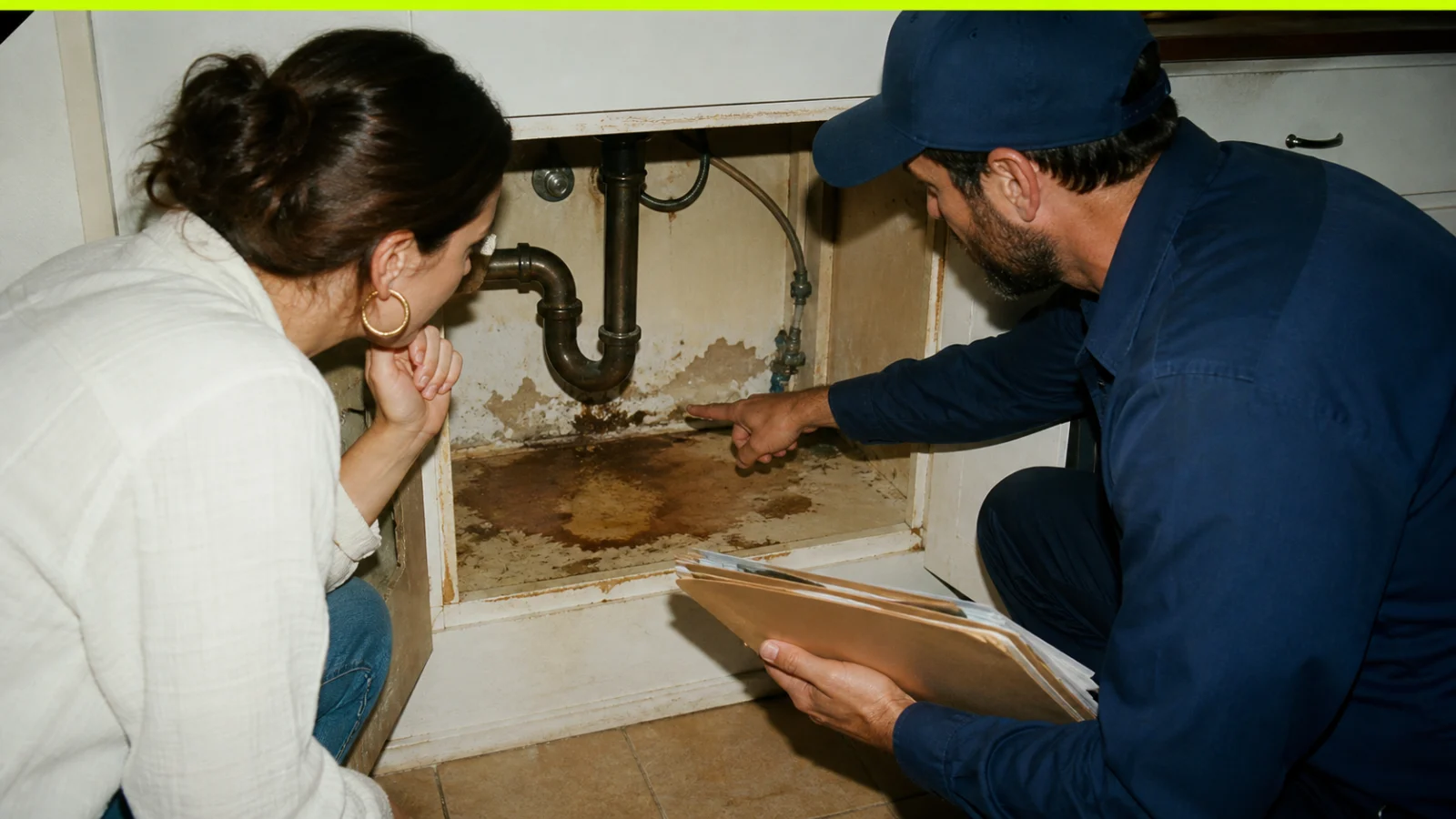
A California landlord may seek a reasonably necessary amount to repair tenant-caused damage beyond ordinary wear, but section 1950.5 limits the claim to restoring the premises to the move-in condition. A landlord's choice to install a newer, larger, premium, or improved item does not automatically make the full upgrade cost the tenant's responsibility. Audit the old item's condition, repair options, and added scope.
Restoration is different from improvement
The deposit analysis asks what amount was reasonably necessary to address an authorized loss. It does not begin with the owner's final shopping receipt. If a basic laminate counter was damaged and replaced with premium stone, the invoice may combine restoration with an owner-selected improvement.
An upgrade can still be chosen for practical reasons—availability, code, compatibility, or building standards. The disputed question is allocation: which reasonable amount addresses tenant-caused damage and which amount purchases added value for the property.
Build an old-versus-new comparison
- Document the original item's material, model, approximate age, dimensions, and move-in condition.
- Identify the exact alleged damage and whether a repair was feasible.
- Request estimates for repair and like-kind replacement available at the relevant time.
- Compare the installed replacement's material, capacity, warranty, features, and covered area.
- Separate demolition, unrelated renovation, code work, and owner design choices from restoration labor.
Test the proof behind the deduction
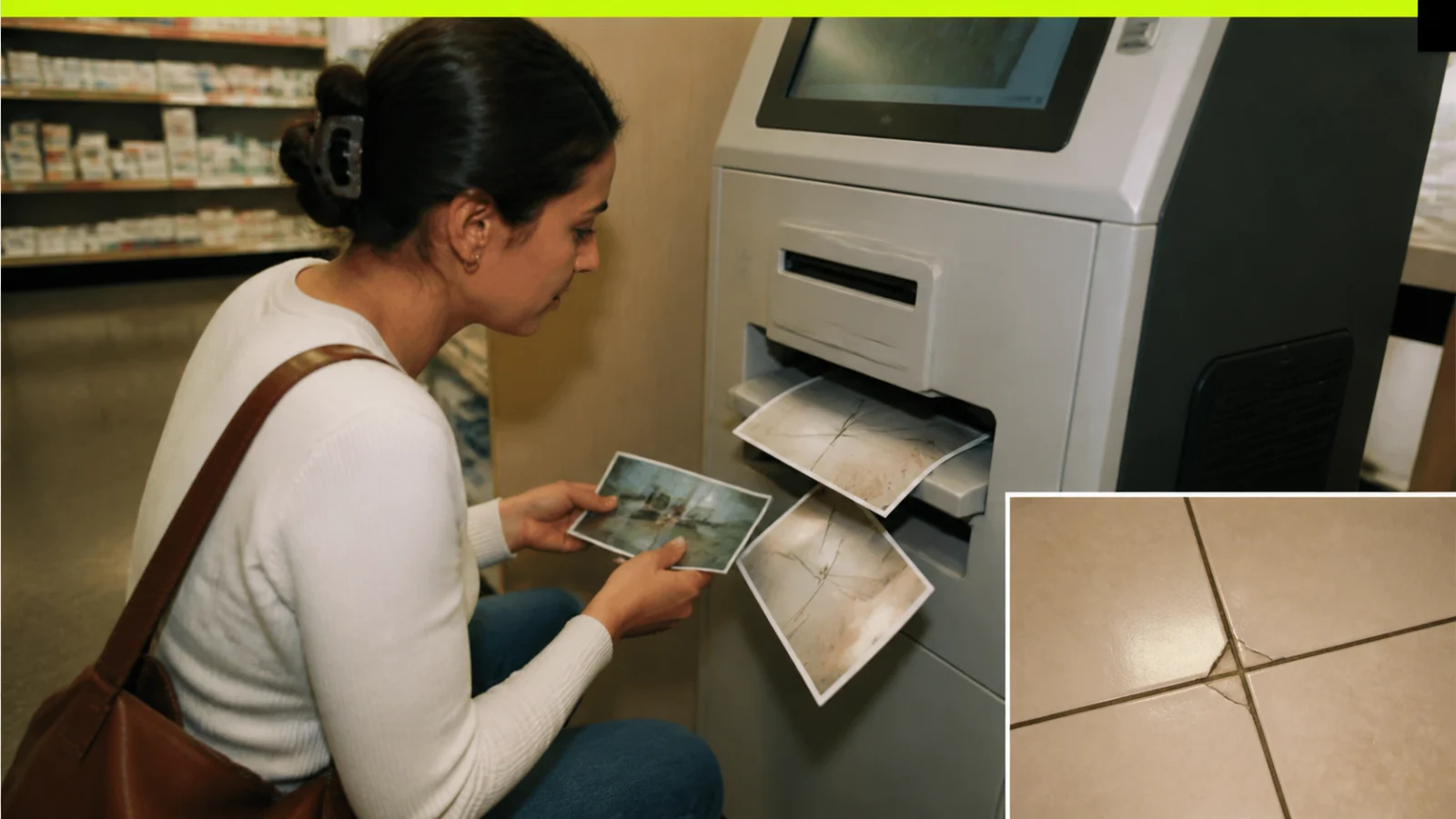
- Before-work photographs tied to the claimed damaged area
- After-work photographs showing what was installed
- Invoice marked paid or other proof of cost, not only an undated estimate
- Labor and materials allocated by room or item
- Explanation of why repair or like-kind replacement was unavailable
- Credits, warranty coverage, insurance proceeds, or reused materials
Separate three possible arguments
First, dispute causation if the condition was preexisting, ordinary wear, or unrelated to your conduct. Second, dispute scope if the work covered more than the damaged area. Third, dispute amount if the landlord selected premium work when a reasonable restoration cost was lower.
Keeping these arguments separate prevents a weak point from consuming a strong one. You can acknowledge that an incident occurred while still disputing a whole-room renovation or a betterment component.
Request a supportable allocation
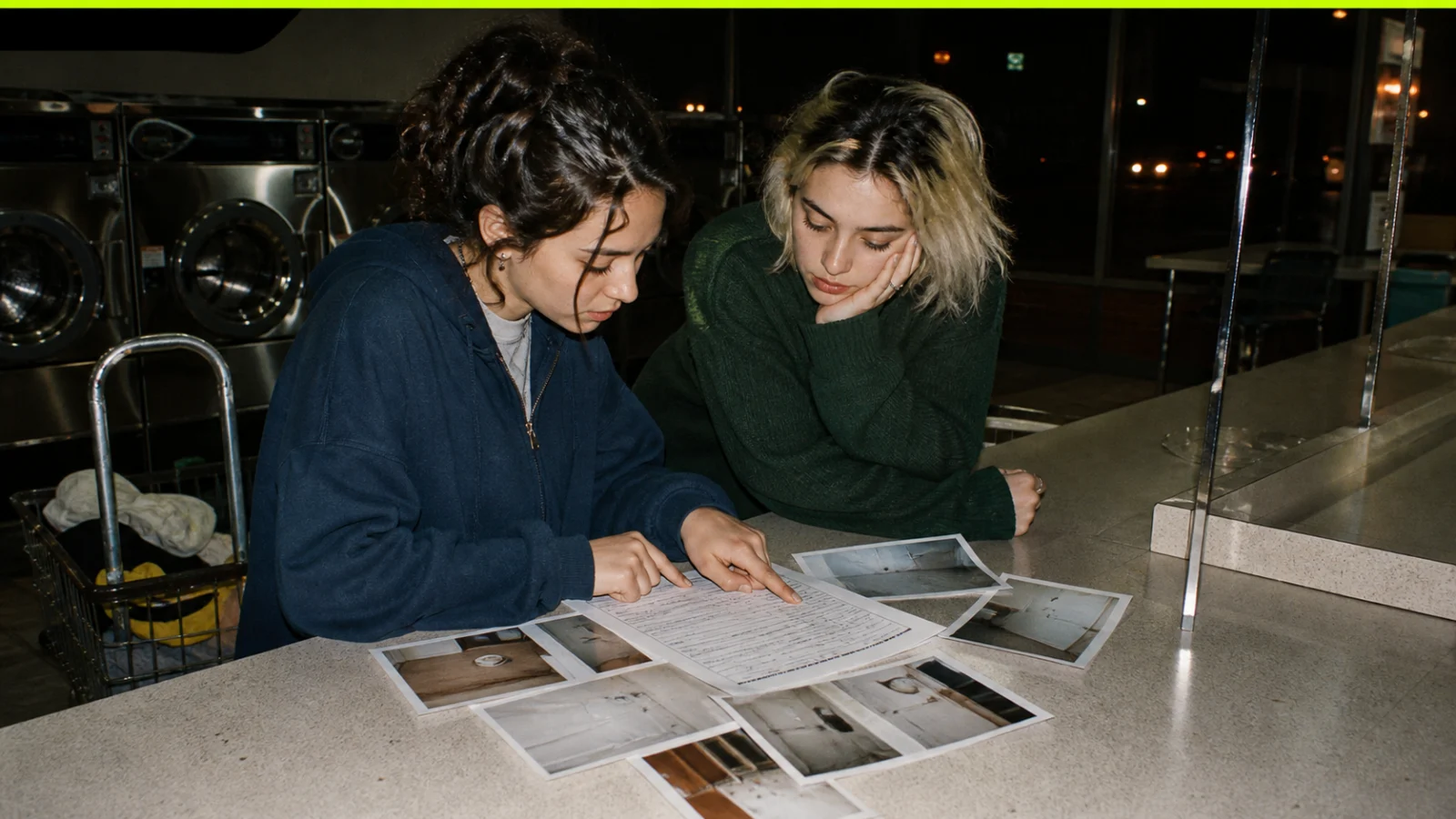
Your letter can identify the original item, claimed damage, installed upgrade, comparable repair or replacement evidence, and the exact amount disputed. Ask for photographs, the paid invoice, alternative estimates, and a calculation that excludes unrelated improvement.
A judge may evaluate credibility and reasonableness based on the complete record. Comparable pricing helps frame the issue, but it does not guarantee a particular reduction or require the landlord to choose the cheapest imaginable option.
Clear answers before your next step.
Can a landlord replace an item instead of repairing it?+
Possibly, if replacement is a reasonable response to tenant-caused damage. The tenant can still dispute upgrade scope, preexisting wear, and the amount reasonably attributable to restoration.
Does the landlord have to buy the identical model?+
Not always; identical products may be unavailable. Compare function, quality, age, and added features to identify any improvement component.
Can I use online prices to challenge the invoice?+
Yes as contextual evidence if dates, specifications, delivery, and labor are comparable. A generic listing alone may not establish the reasonable local installed cost.
Official sources used for this guide
- California Civil Code § 1950.5
- California Courts security deposit guide
- California Attorney General security deposit guide
- California DRE 2026 tenant guide
This article provides general self-help information for California renters. It is not legal advice, does not create an attorney-client relationship, and does not predict the outcome of a dispute. Rules and local protections can change.